Bring marine science to life with engaging, curriculum-linked programs for students in Years 7–12.
Ocean Life Education delivers interactive high school marine science incursions, excursions and educational programs designed to complement Science, Biology, Marine Studies and environmental learning. Using live marine animals, hands-on activities and real-world examples, we help students explore complex scientific concepts in a way that is relevant, memorable and engaging.
Our programs can be tailored to your year level, curriculum topics and learning objectives, making them a flexible addition to your secondary science program.
Read our blog: Teaching Marine Biodiversity in Australian Secondary Schools
Our high school programs explore key concepts in marine biology, ecology, biodiversity, sustainability and environmental science.
Programs can be developed around four core themes:
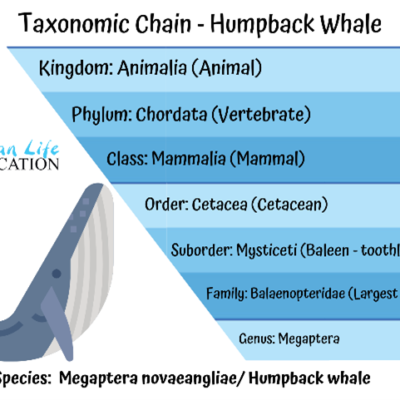
Explore the incredible diversity of marine life and discover how scientists classify and organise living organisms.
Students investigate:
Real marine specimens provide students with the opportunity to observe characteristics and apply classification concepts to living examples.
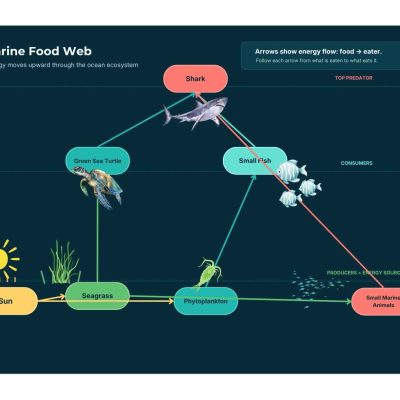
Explore how energy moves through marine ecosystems and how organisms depend on one another for survival.
Students investigate:
Using marine animals and real-world examples helps students see how individual organisms are connected within complex ecosystems.
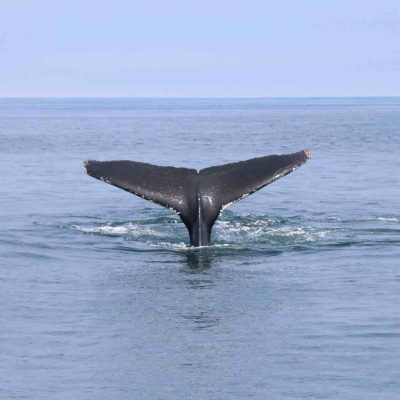
How do our actions affect the ocean?
Students explore the ways human activities can influence marine ecosystems, biodiversity and the health of our oceans.
Topics may include:
The program encourages students to consider both the scientific evidence and the role people can play in protecting marine environments.
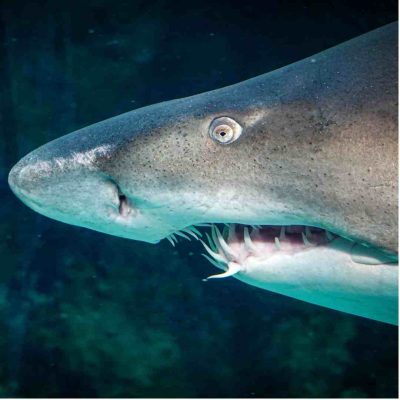
Marine environments are constantly changing, and marine animals have evolved remarkable ways to survive.
Students explore:
Live marine animals provide real examples of the physical and behavioural characteristics that help organisms survive in their environment.
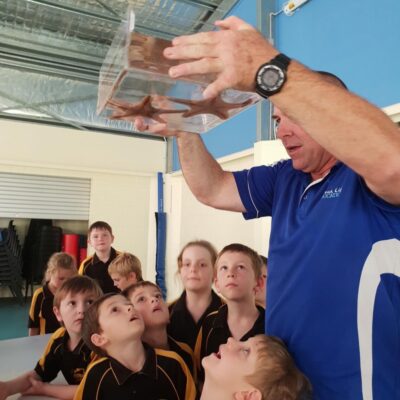
Our programs are delivered by experienced marine educators who combine scientific knowledge with an engaging, accessible approach to teaching.
Students are encouraged to ask questions, make observations and connect scientific concepts with real marine animals and the world around them.
The aim is not simply to teach students about the ocean, but to help them understand how marine ecosystems work and why they matter.
Your program will be led by Marine Ecologist and Director of Education, Richard Coward (BSc.,DipEd) who is a passionate environmental educator and will thoroughly engage your students in their learning. Read more about Richard and our team.
For more information on how we can support your class, contact us or visit our pricing page.
There is something different about learning science when students can see and interact with real marine animals.
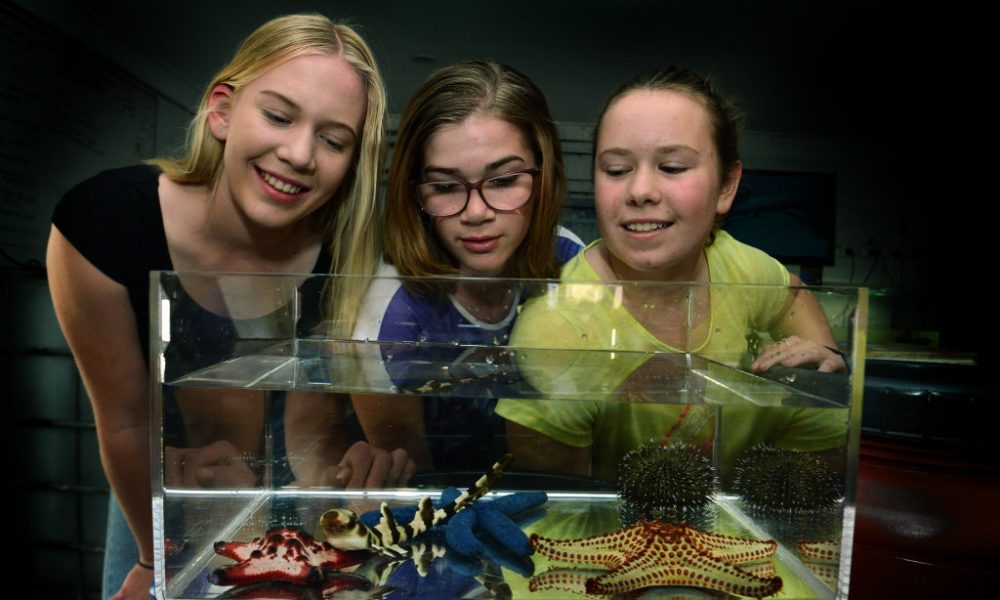
Our programs bring live marine animals into the learning environment, giving students the opportunity to observe biological features and behaviours first-hand.
Depending on the program and topic, students may encounter animals such as sea stars, sea cucumbers, sea urchins, sharks and other fascinating marine species.
These real-world encounters help connect classroom theory with the living organisms and ecosystems students are studying.
Our high school marine education programs are designed to complement the Australian Curriculum: Science, with opportunities to connect learning across Biology, Marine Studies, environmental science and sustainability.
Programs can be tailored to the topics your class is currently studying, allowing teachers to focus on particular concepts, questions or learning objectives.
We can work with teachers to develop a session that is appropriate for the students’ year level and curriculum focus.
Bring marine science directly to your school.
Our marine science incursions provide a convenient way for students to experience live marine animals and explore curriculum concepts without leaving the classroom.
They are suitable for:
Where suitable, Ocean Life Education can also provide marine education experiences outside the classroom.
Excursions can provide opportunities to connect classroom learning with coastal environments and explore marine biodiversity, habitats, adaptation and human impacts in a real-world setting.
No two classes are exactly the same.
Our high school programs can be adapted to suit your:
If your students are studying a particular marine science or biology topic, talk to us about how we can build the session around your classroom learning.
The ocean provides an engaging context for teaching a wide range of scientific concepts.
Marine ecosystems allow students to explore biodiversity, classification, adaptations, energy flow, ecological relationships and human impacts through real-world examples.
For secondary students, connecting these concepts to Australia’s marine environment can also help make science more relevant and encourage greater awareness of environmental challenges and sustainability.
Looking for an engaging marine science incursion for your high school?
Ocean Life Education provides interactive programs for Years 7–12 that can be tailored to your curriculum, science unit and learning objectives.
Whether your students are studying classification, ecosystems, food webs, adaptation, biodiversity or human impacts on the ocean, we can help bring the science to life.
Contact Ocean Life Education to discuss a program for your school.
‘Fantastic way to get students engaged in Marine Ecosystems and to gain an insight into human environmental impacts’.
Katherine Stephanos – St Thomas More College (Y7 – 12 Science Week Activity)
‘Provided my students with real-life, hands-on experience observing the various classes of echinoderms. Easy-going, humorous dialogue which added depth and breadth to understanding structural and behavioural adaptations. I highly recommend an Ocean Life Education visit’
Adam Richmond – Clontarf Beach State High School (Yr 11)
Read more testimonials from a range of educators.