


Planning meaningful, engaging and curriculum-aligned learning about the ocean just got a whole lot easier!
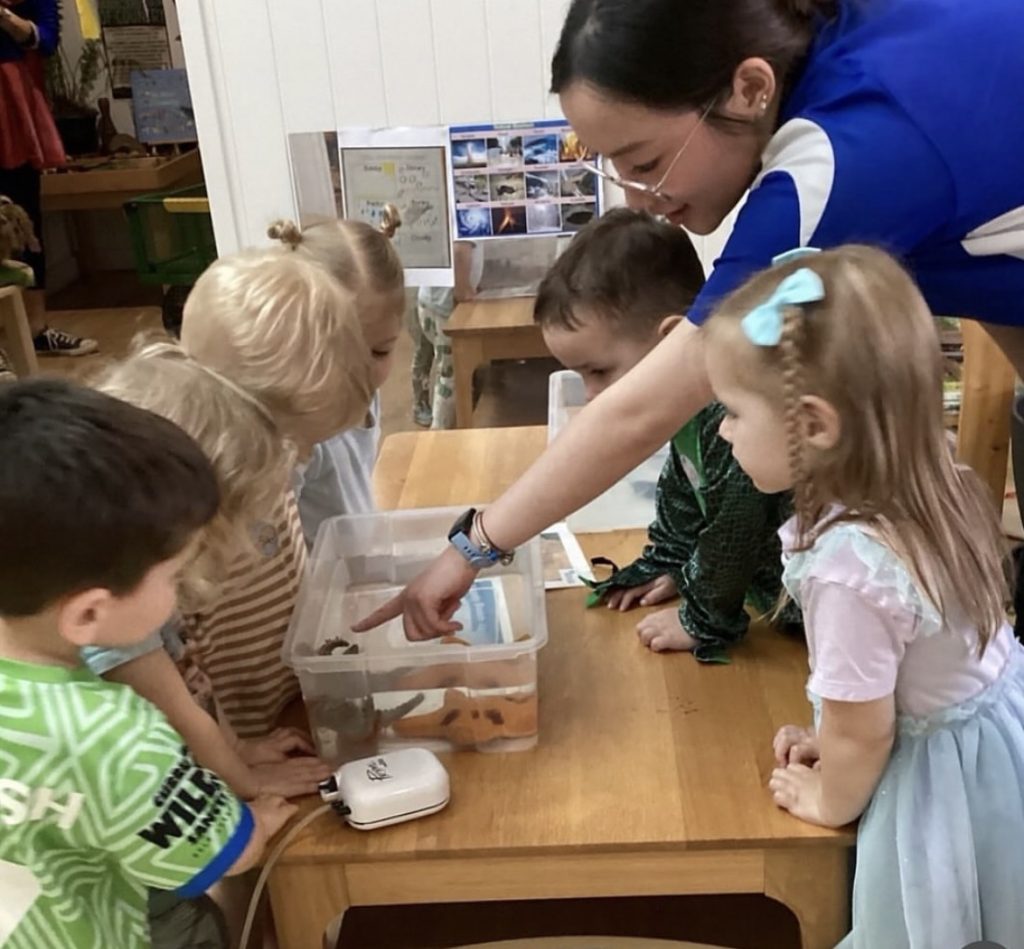
At Ocean Life Education, we work with Early Years, Primary and Secondary Schools in South East Queensland, Australia to bring marine science, conservation and sustainability to life through hands-on, Australian Curriculum aligned incursions, excursions, and events.
To help teachers plan ahead, we’ve created this 2026 Ocean & Environment Events Calendar and matched key dates with simple, classroom-ready activity ideas you can use all year long – whether you’re teaching foundation or upper primary.
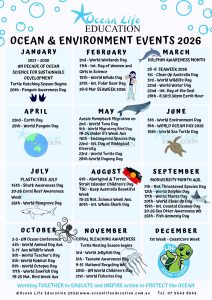 This guide is perfect for:
✔️ Unit planning and inquiry units
✔️ Sustainability and science
✔️ Geography and HASS
✔️ National events & real-world connections
Why Teach Using Real-World and Local Events Helps:
- Build relevance and student engagement
- Support inquiry-based learning
- Strengthen links to the Australian Curriculum
- Create natural opportunities for cross-curricular projects
- Connect classroom learning to real conservation issues
And furthermore – they work brilliantly alongside an Ocean Life Education incursion, excursion or event.
Term-by-Term Classroom Activity Ideas
🐢 Term 1: January – March
Key Events:
World Wetlands Day (Feb 2)
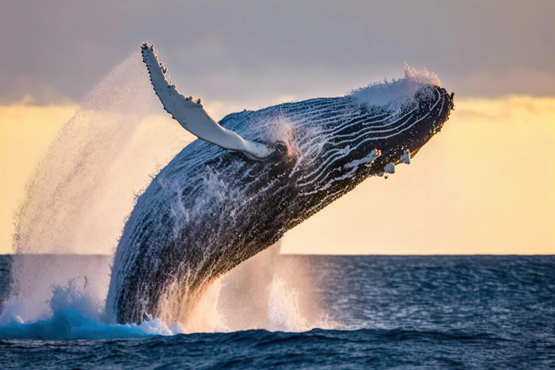
World Whale Day (Feb 15)
SeaWeek (Feb 28 – Mar 8)
Clean Up Australia Day (Mar 1)
World Wildlife Day (Mar 3)
Earth Hour (Mar 28)
Classroom Ideas:
🧊 Foundation – Year 2
- Sort pictures into land, wetland and ocean habitats (check out our Ocean Habitats video here) explaining that wetlands aren’t the ocean, but some wetlands are where the land and ocean meet. They’re like nature’s in-between zone.
- Read popular ocean-themed books like:
Big Blue Whale – Nicola Davies
An illustrated non-fiction book that introduces children to the blue whale, the largest animal on Earth, explaining its size, habitat, and how it survives in the ocean. Great for introducing marine animals and basic facts.
🌏 Years 3–6
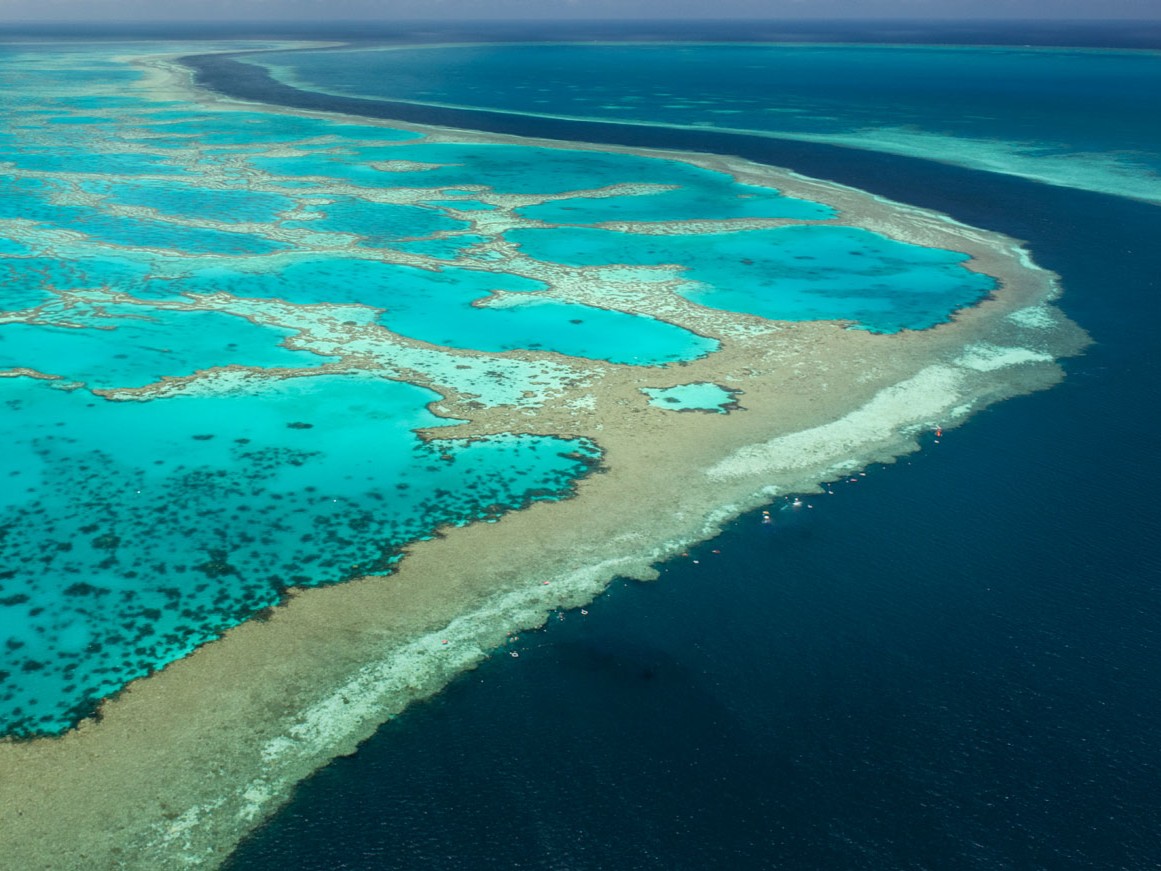 Discuss how students can help clean up the Great Barrier Reef Habitats and how everyone can make a difference using our Human Impact Resources/ Activities. Why not organise a school clean-up audit and graph the results.
- Investigate where our water comes from and where it goes
- Create a “Save Our Seas” poster campaign
- Read popular ocean-themed books like:
 Ocean Speaks – Jess Keating. Ages 6–10 (Primary)
A picture-book biography about Marie Tharp, the scientist who helped map the ocean floor, showing how curiosity and persistence can lead to major scientific discoveries. Works well for units on science, scientists, and inquiry.
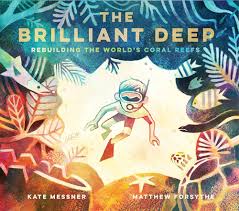
The Brilliant Deep – Kate Messner. Ages 7–12 (Upper Primary)
The inspiring true story of how one person’s idea helped start coral reef restoration. Ideal for learning about reefs ecosystems, human impact, and conservation.
Incursion & Excursion link:
👉 Marine habitats, animal adaptations, food chains, and human impact
🐧 Term 2: April – June
Key Events:
Earth Day (April 22)
World Turtle Day (May 23)
World Dugong Day (May 28)
World Environment Day (June 5)
World Ocean Day (June 8)
World Sea Turtle Day (June 16)
Classroom Ideas:
🎨 Early Years
- Build a mini reef or ocean diorama
- Sort rubbish into recycle / landfill / compost
- Paint or collage your favourite ocean animal
🔬 Primary
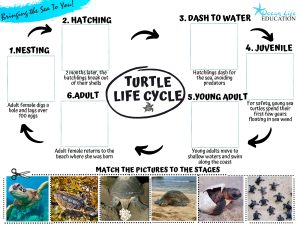
- Create a turtle lifecycle infographic
- Compare turtles, dugongs and whales: adaptations & threats
- Write persuasive letters about protecting ocean animals
- Design a marine park with rules and zones – based on the Great Barrier Reef
Incursion link:
👉 Australian marine animals, classification, life cycles, conservation
🦈 Term 3: July – September
Key Events:
Plastic Free July
Shark Awareness Day (July 14)
Coral Reef Awareness Week (July 20–26)
World Mangrove Day (July 26)
National Science Week (Aug 15–23)
World Whale Shark Day (Aug 30)
Biodiversity Month (September)
World Clean Up Day (Sept 20)
Classroom Ideas:
 ♻️ Whole School
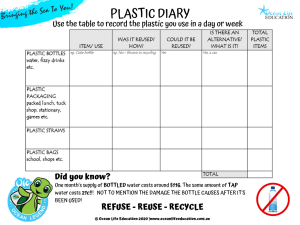
- Run a plastic-free lunch challenge
- Audit classroom waste and design reduction strategies
- Check out our Human Impact Activities here
🪸 Science Focus
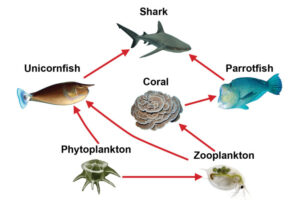
- Investigate coral reefs, mangroves and food webs
- Model human impacts on ecosystems
- Create a biodiversity wall showing Australian marine species
Incursion link:
👉 Ecosystems, food chains, biodiversity, reef health, pollution
🐙 Term 4: October – December
Key Events:
World Teachers’ Day (Oct 5)
World Octopus Day (Oct 8)
World Jellyfish Day (Nov 3)
National Recycling Week (Nov 9–15)
World Fisheries Day (Nov 21)
Coastcare Week (Dec)
Classroom Ideas:
📊 Years 3–6
- Explore sustainable fishing vs overfishing
- Create infographics about sea jellies, sharks or octopus
- Design a future ocean with healthy ecosystems
Incursion/ excursion link:
👉 Sustainability, human impact, adaptations, marine careers
How Ocean Life Education Supports These Units
Our Early Years & Primary incursions are:
✔️ Australian Curriculum aligned
✔️ Hands-on and inquiry-based
✔️ Tailored for the year level and your needs
✔️ Linked to Science, Geography, HASS and Sustainability priorities
✔️ Designed to build real-world environmental understanding
We bring:
🐢 Live marine animals
🦈 Interactive displays and artefacts
🌏 Engaging conservation stories
🧠 Age-appropriate scientific concepts
Planning Tip for Teachers
When planning your yearly overview:
- Pick 1–2 key environmental dates per term
- Build your Science or Inquiry unit around them
- Book your incursion/ excursion or event as the unit launch or culminating experience
Ready to Bring the Ocean into Your Classroom?
Ocean Life Education works with schools across Australia to deliver unforgettable, curriculum-aligned marine education experiences.
 Ocean Life Education helps Australians connect with the ocean and understand why it matters. Through engaging, hands-on programs, we explore Australia’s marine environments, the animals that live there, and the challenges our oceans face.
📚 Recommended Resources & Useful Links
Primary Incursions & Excursions
Primary Resources & Activities
34 Easy Ocean Crafts and Learning Activities for Kids – We Are Teachers
Saltwater Schools – Ocean Lesson Plans Australia: Marine Stewardship Council
We hoped you enjoyed reading our blog: 2026 Ocean Events: Curriculum-Aligned Classroom Activities for the Whole Year