


Queensland’s coastline is a natural classroom for young learners. At Ocean Life Education, our primary school ocean science incursions bring the wonders of the ocean directly to students.
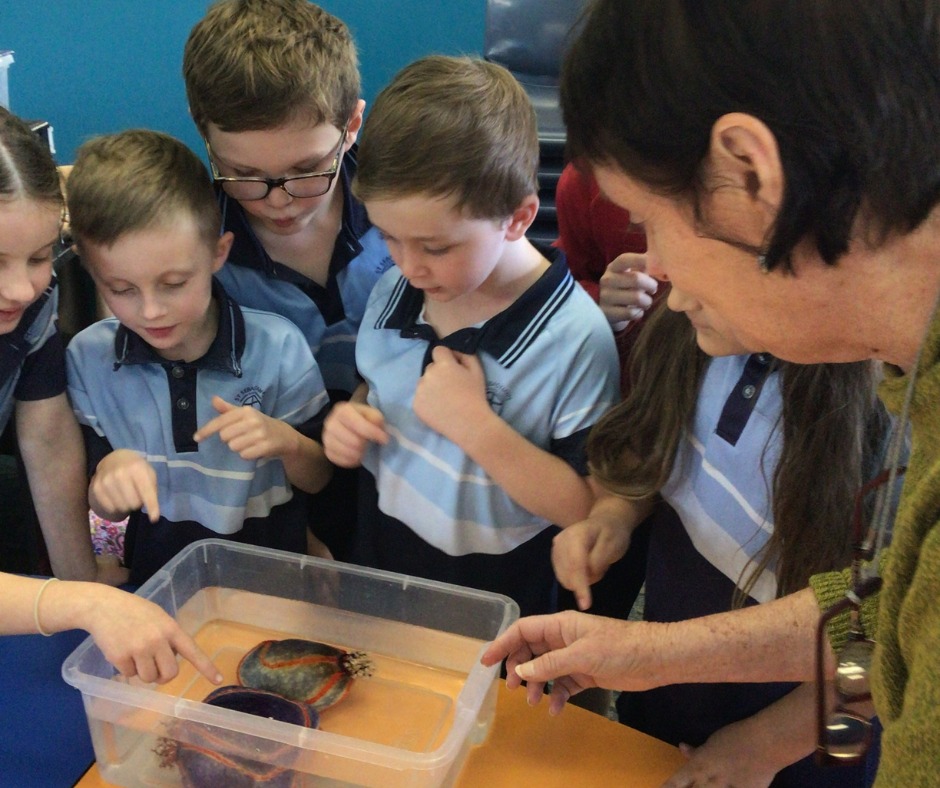
Through hands-on experiences, students explore local marine habitats and creatures such as sea stars, sea cucumbers, epaulette sharks, sea urchins, and turtles. They also learn about beach pollution and the impact humans have on coastal environments – all in an interactive, engaging, and curriculum-aligned way.
Explore our school programs here to see how we can bring ocean science to your classroom.
 Why we Believe Hands-On Ocean Science Matters
Marine science is more than just facts – it’s about curiosity, discovery, and care for the natural world. Students who participate in our incursions:
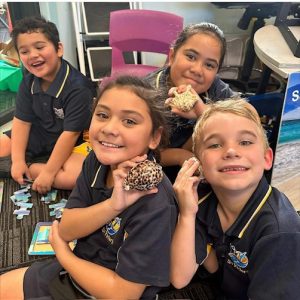
- See local marine animals up close, experience how they feel and consider why they look and feel the way they do – turning abstract concepts into tangible learning
- Understand how animals survive in their habitats
- Learn about the human impact on oceans and beaches
- Build curiosity, respect, and stewardship for marine environments
These experiences align with the Australian Curriculum Science strands, making learning meaningful and engaging.
 Explore Local Shoreline Habitats
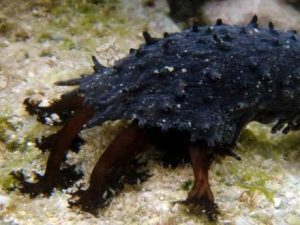
Our incursions focus on habitats students can see along Queensland’s coastline – sandy beaches, shallow waters, mangroves, and rock pools. Students investigate:
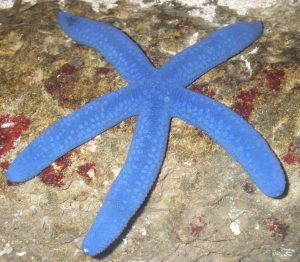
Sea stars and sea cucumbers: Learn how these fascinating animals move, feed, and protect themselves
Epaulette sharks: Discover how this unique shark survives in shallow waters and its adaptations for life near the shore
Sea urchins: Explore their spiny armour and role in local ecosystems
Sea turtles: Learn about their life cycle, threats, and conservation, and why they look different to fresh water turtles.
By connecting students with creatures they might encounter on local beaches, learning becomes immersive and memorable.
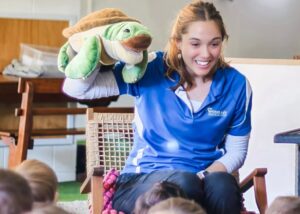 Learning About Beach Pollution with Puppets
Understanding marine life also means learning how to protect it. Using our interactive puppet activities, students explore the effects of beach pollution on marine habitats.
Students discover:
How litter harms marine animals
The importance of reducing waste and cleaning up beaches and simple actions they can take to protect environments
This hands-on, storytelling approach encourages empathy and environmental responsibility from a young age.
 Curriculum Links for QLD Primary Schools
Our incursions are designed to support the Australian Curriculum for primary students, including:
- Science Understanding: Living things, habitats, and adaptations
- Science Inquiry Skills: Observing, questioning, and exploring
- Sustainability: Human impact on ecosystems and responsible actions
Teachers can use our incursions to complement classroom lessons and provide students with real-world examples of marine science concepts.
 Why Choose Ocean Life Education?
By bringing marine science directly into the classroom, we create interactive and memorable learning experiences.
Students leave our programs with:
- Hands-on experience with sea stars, sea cucumbers, epaulette sharks, sea urchins, and sea turtles
- Knowledge of how coastal ecosystems function
- Understanding of human impacts and conservation
- A sense of connection to Queensland’s marine environment
Our programs inspire the next generation of ocean guardians, turning curiosity into care and action.
Book a Primary Ocean Science Incursion for Your School
Ocean Life Education delivers engaging incursions for Queensland schools, giving students unforgettable encounters with marine life.
Book your incursion today and bring marine science to life in your classroom.
Thank you for reading: Primary Ocean Science Incursions for QLD Schools
Author: Hayley Gee, Marketing Manager & Educator, Ocean Life Education