
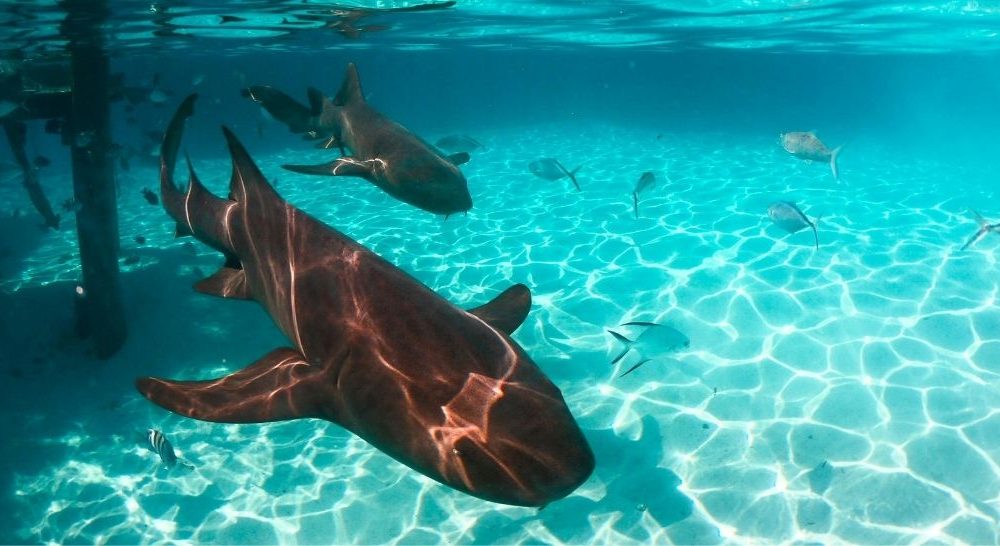
Looking for shark facts for kids, classroom activities or shark teaching resources?
Ocean Life Education has created one of Australia’s largest collections of free shark resources, including fact sheets, worksheets, videos, printable posters and an online shark course aligned with the Australian Curriculum. Whether you’re a teacher, parent or student, you’ll discover engaging ways to learn about sharks while understanding why these incredible animals are essential for healthy oceans.
Our favourite 5 Amazing Shark Facts for Kids…
1. Sharks have been around since before the dinosaurs
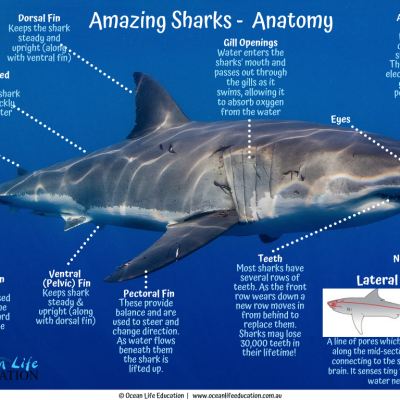
2. Sharks can produce 30,000 teeth in a lifetime
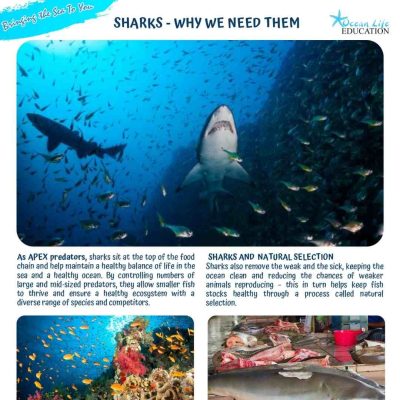
3. Humans need sharks as they help ensure a healthy ocean
4. Shark bite incidents are normally due to mistaken identity
5. You have more chance of being killed by a cow than a shark
Shark & Ray Awareness Day is held worldwide on 14 July every year. Our shark resources and courses will help you plan for it!
Our own range of videos also cover the following shark themed curriculum topics for kids: Adapatation, Habitats, Human Impact, Food Webs, Natural Selection, Classification and more…
Learn the facts about sharks with Ocean Life Education’s awesome Amazing Sharks kids course (online). Includes awesome videos, activities, infographics and fast facts, plus four shark quizzes. Pass to qualify as a Shark Legend and get awarded with your personalised certificate from Marine Biologist, Richard Coward. Suits Age 7+. Duration 2-3 hours. Cost: $20
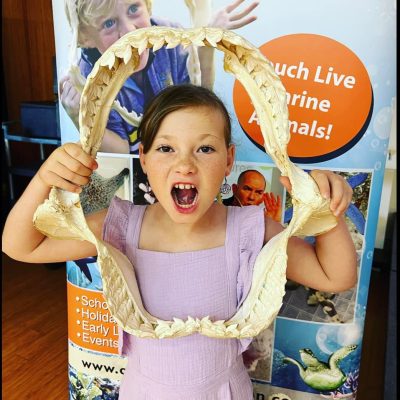
All of our programs and events can be tailored to focus purely on sharks. This is a great way to engage kids to learn curriculum topics such as life cycles, reproduction and adaptation too!
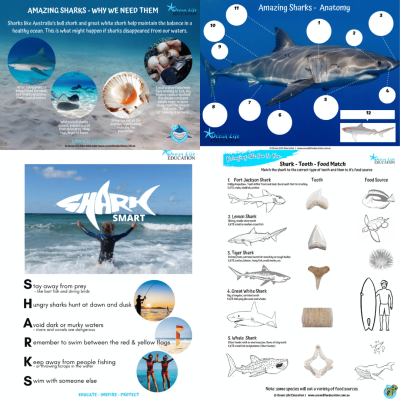
Our online Amazing Sharks kids course comprises a host of engaging infographics, activities and worksheets that educators can use to teach curriculum topics such as Adaptation, Natural Selection, Habitats, Food Webs & Human Impact. Sign up to the course to gain access to these fascinating learning resources. Cost $20.
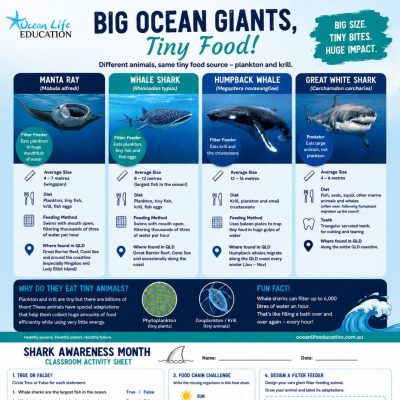
Celebrate Sharks with this FREE classroom infographic and activity sheet exploring why some of the ocean’s biggest animals survive on some of its smallest food. Designed for Years 7–9. Aligned with the Australian Curriculum.
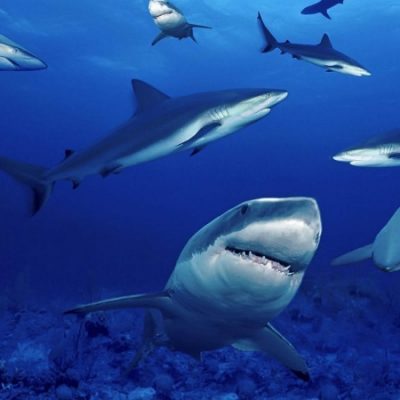
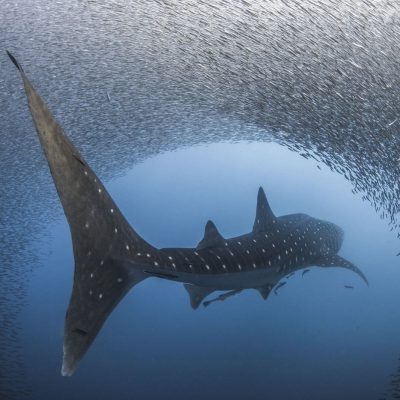
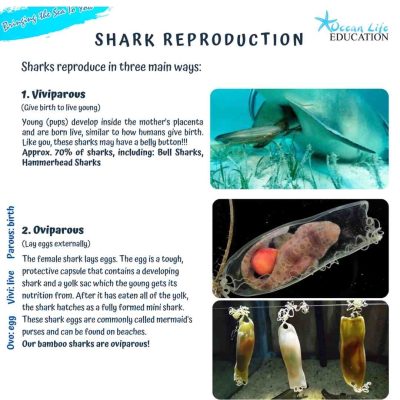
Discover the three incredible ways that sharks reproduce:
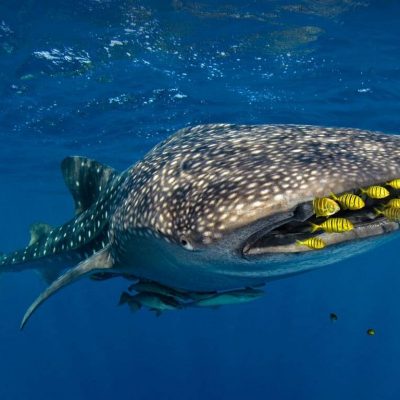
Test your general shark knowledge.
Content includes:
What are baby sharks are called? Which is the fastest shark in the ocean? How many people are killed by sharks in Australia each year?
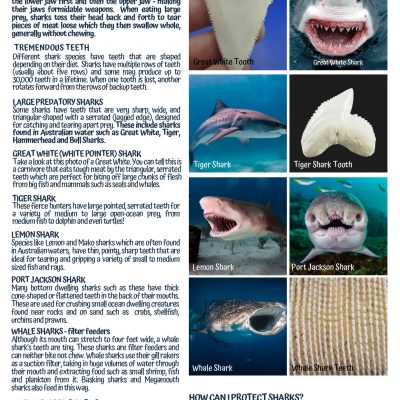
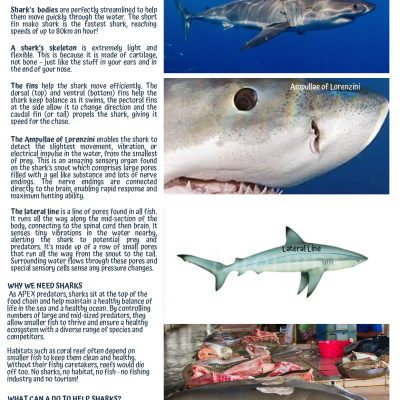
Looking for topical Shark Incursions in Brisbane that are hands-on, curriculum-aligned and unforgettable?
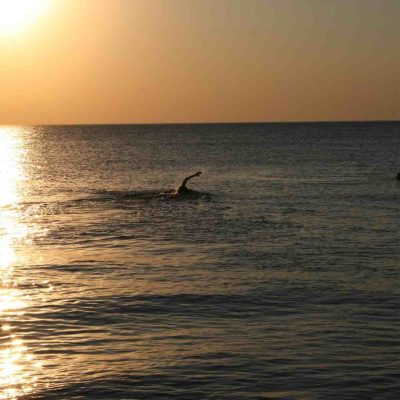
If more people had a basic understanding of shark movement patterns, feeding behaviour, and how weather events affect ocean conditions, many of these incidents may have been avoided.
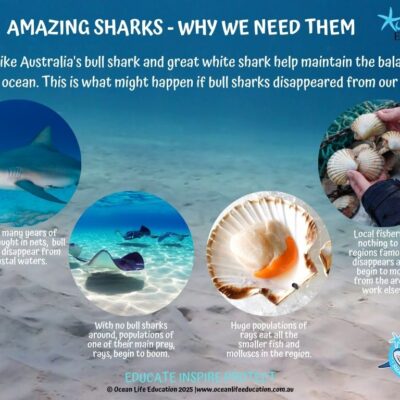
When we ask kids about sharks, their first response is often fear or fascination. Either way, they are often very passionate about the subject, which provides a great basis for learning. Sharks play a crucial role in ocean ecosystems, making them an ideal subject for cross-curricular learning in primary classrooms – integrating science, geography, literacy, and citizenship.
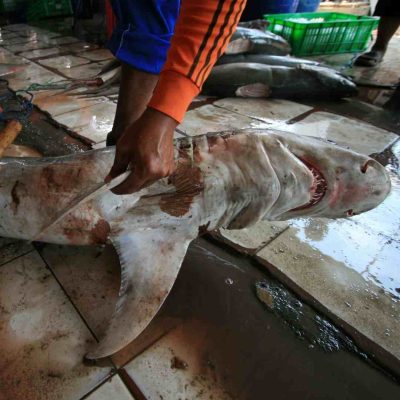
Should we protect sharks? We think so…
Why? Because we NEED them! Sharks are a crucial part of the food chain that help keep the oceans, planet, and us, healthy… and their numbers are dwindling fast.
Read our fascinating blog to discover the positive impacts that sharks have on our oceans and lives…
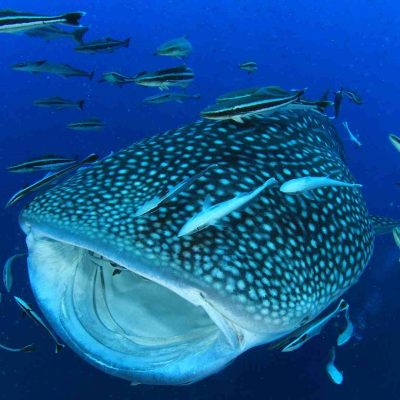
Whale sharks look quite different to how we imagine a shark to look. So, it’s no surprise that people often ask us the question…is a whale shark a shark?
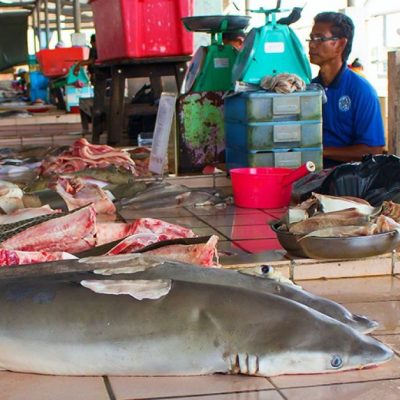
We can all do our bit to help protect sharks. Here are 5 easy way that’s you can help protect sharks:
Australia is home to more than 180 species of sharks, ranging from tiny reef-dwelling sharks to the world’s largest fish, the whale shark. Most sharks are harmless to humans and play a vital role in keeping our oceans healthy by maintaining balanced marine ecosystems. Here are some of Australia’s most well-known shark species.
The great white shark is one of Australia’s largest predatory sharks, growing up to 6 metres long. Found in cool and temperate coastal waters, great whites feed on fish, rays, seals and occasionally whales. Despite their reputation, interactions with people are extremely rare.
Tiger sharks are recognised by the dark stripes on younger sharks that fade as they mature. They are found throughout tropical and subtropical Australian waters, including Queensland. Tiger sharks are opportunistic feeders, eating fish, turtles, rays and other marine animals.
Bull sharks are unusual because they can live in both saltwater and freshwater. They are commonly found along Australia’s east coast and are known to travel into rivers and estuaries. Bull sharks prefer warm coastal waters where food is plentiful.
Although their fierce appearance can be intimidating, grey nurse sharks are gentle and slow-moving. Found along Australia’s east coast, they are listed as critically endangered in Australian waters. These sharks are protected, and conservation efforts are helping their populations recover.
The whale shark is the largest fish on Earth, reaching lengths of more than 12 metres. Despite their enormous size, they are harmless filter feeders that eat tiny plankton and small fish. Whale sharks are best known for visiting Western Australia’s Ningaloo Reef each year.
Wobbegongs are unique Australian carpet sharks that camouflage themselves on the seafloor. Their flattened bodies and decorative skin patterns help them blend into reefs and rocky habitats where they wait to ambush fish and crustaceans.
Queensland’s warm tropical and subtropical waters provide habitat for a wide variety of shark species. From coral reefs to estuaries and open ocean, sharks are an important part of the state’s marine environment and help keep ocean ecosystems healthy.
Queensland sharks can be found in many different habitats, including coral reefs, mangroves, sandy bays, estuaries and offshore waters. Different species prefer different environments depending on where they find food, shelter and suitable breeding areas.
Sharks do not visit beaches because people are there. They are usually following food sources such as schools of fish, rays or turtles, or simply moving through their natural habitat. Most sharks stay well away from swimmers, and sightings near beaches are uncommon.
Many shark species migrate long distances in search of food, warmer waters or breeding grounds. Great white sharks travel thousands of kilometres along Australia’s coastline, while whale sharks migrate seasonally to feed where plankton is abundant.
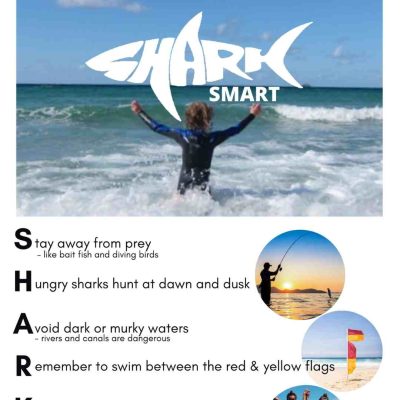
The best way to stay safe is to enjoy the ocean responsibly. Swim at patrolled beaches, avoid swimming at dawn or dusk, stay away from schools of fish and always follow local beach safety advice. Shark encounters are extremely rare, and by respecting marine wildlife, we can safely share the ocean.
Most sharks are not dangerous to people. Of the more than 500 shark species worldwide, only a small number have been involved in serious incidents with humans. The vast majority avoid people altogether.
Sharks do not hunt humans as prey. Most incidents are believed to be cases of mistaken identity or occur when sharks are investigating unfamiliar objects in the water.
Different shark species eat different foods. Some feed on fish, squid, rays or seals, while filter-feeding sharks, such as whale sharks, eat tiny plankton and small fish.
Scientists have identified more than 500 species of sharks around the world, with over 180 species found in Australian waters.
The whale shark is the largest shark and the largest fish on Earth. It can grow to more than 12 metres long but feeds only on tiny plankton and small fish.
No. Whale sharks are gentle giants and are completely harmless to humans. They have tiny teeth and feed by filtering plankton from the water.
Sharks help keep ocean ecosystems healthy by maintaining balanced food webs and removing weak or sick animals. Healthy shark populations contribute to healthy oceans.
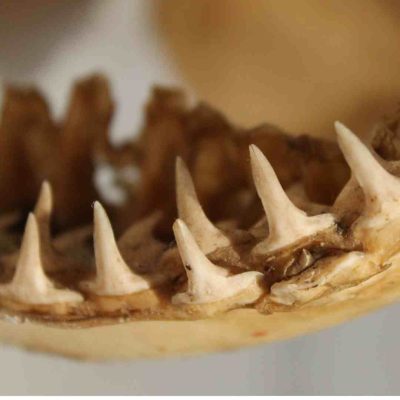
Sharks constantly lose and replace their teeth throughout their lives. Some species can grow and shed thousands of teeth, ensuring they always have sharp teeth for catching food.
Sharks do not sleep like humans. Many species have periods of rest while remaining alert, and some must keep swimming to ensure water flows over their gills so they can breathe.
Australia is home to more than 180 shark species, including great white sharks, tiger sharks, bull sharks, grey nurse sharks, whale sharks, wobbegongs, hammerhead sharks, reef sharks and many smaller species found along our coasts and coral reefs.