




Ocean Life Education’s Classification Program
Ocean Life Education’s year 7 science incursions in Brisbane provide students with a solid foundation of a variety of ocean-focused themes in line with the Australian Curriculum. One of our most popular programs is Classification, which focuses on helping students organize their understanding of the world around them, enhancing critical thinking and observational skills.
During our Classification incursions, students will explore the grouping of living organisms based on their observed features, functions, and adaptations for survival. They will understand the reasons behind animal classification and discover both similarities and differences among various marine animals. Additionally, the importance of scientific communication will be emphasised, and students will engage in simple classification exercises of marine species using scientific conventions for naming species.
Simple Classification of our Marine Animals
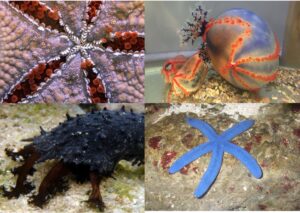
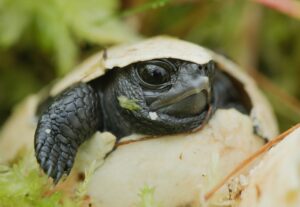
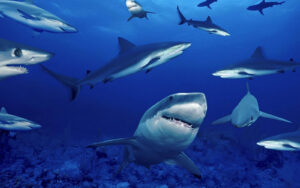
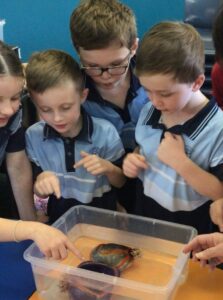
We bring a fascinating and diverse range of live marine animals along to our science incursions, including a baby shark, a freshwater turtle, a variety of sea stars, sea cucumbers and sea urchins. This enables us to look at a range of classifications first hand. For example, our echinoderms…
 Echinoderms
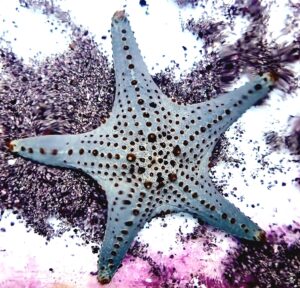
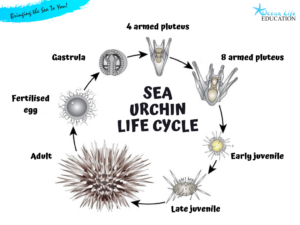
Sea stars, sea urchins, and sea cucumbers are all classified as echinoderms – named for the spines or bumps covering the outer surface of the bodies (Greek root word echino– meaning spiny; Latin root word –derm meaning skin).
Children learn that echinoderms, despite their diverse appearances, share two key features that distinguish them from other animals: a water vascular system and five-sided radial symmetry. These characteristics are fundamental to their movement and body structure, highlighting the unique adaptations of this fascinating group.
The water vascular system in echinoderms consists of canals filled with seawater that aid movement, feeding, nutrition, and respiration. Hydraulic pressure allows tube feet to extend and retract, enabling them to move around and interact with their environment.
The pentamerous radial symmetry structure of echinoderms makes the body strong as a five-segment skeleton is stronger than a four- or six-sided one (because the line of weakness cannot run directly across the body).
Our sea stars, urchins and cucumbers offer a fitting example of all these characteristics and the children have fun while learning to classify them themselves. We also discuss how our shark and turtle may be classified but in less detail.
Marine Classification – Table Activity 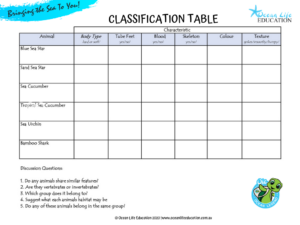
Here, students observe our live marine animals and then apply their learning to categorise animals themselves into a table. This is a great activity for year 7 science as students become scientists, drawing their own conclusions from the data and observations.
Marine Classification – 3 Minute Video
In this short film, Ocean Life Education’s Director of Education, Richard Coward, highlights key Classification learning points using our marine animals as examples and explains how animals are grouped according to the way their bodies look and function. It’s a great precursor to an incursion, which can be watched with students as a quick taster and talking point in advance of our visit.
 Incursions in Brisbane & Excursions to the Coast!
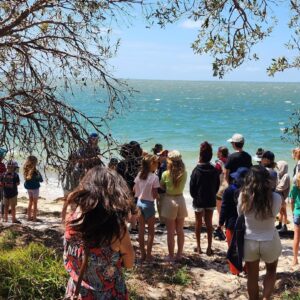
While our science incursions in Brisbane are a fantastic way for us to bring the sea to students who might not get the opportunity to visit the coast, we also offer the option of experiencing Classification during an excursion to the coast. Our team meet the students at a designated spot, and we explore and research the environment together before returning to our live marine animals to put things into context.
Classification for Younger Students
If you are also teaching younger students, another great way to prepare for our Classification science incursion is with our Classification Card Activity in which student use classification cards to work out which headings different marine animals could be classified under.
A Note About Year 7 Curriculum Science
This incursion aligns with the Australian Curriculum content description ‘Science Understanding’ under the sub strand of ‘Biological Science’ for year 7’…
Investigate the role of classification in ordering and organising the diversity of life on Earth and use and develop classification tools.
Imprinting a Love of the Ocean: Cultivating Future Environmental Advocates 
At Ocean Life Education, we believe that “you protect what you know and love.” Our mission is to instil a deep connection to the ocean in children, inspiring them to become passionate advocates for marine conservation.
Our dedicated team brings this vision to life through engaging science incursions that showcase the wonders of marine environments. We aim to create memorable experiences filled with hands-on learning and exploration. By sharing our enthusiasm and knowledge, we strive to spark a lifelong appreciation for the ocean in every child we reach.
 The Fascinating World of Shark Reproduction
 Exploring a Diverse Range of Habitats
 habitat areas. They will find out through interaction, that our live display animals may live in one or more of these habitat areas and why.
 Imprinting a Love of the Ocean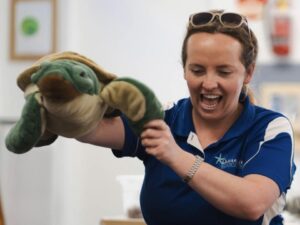
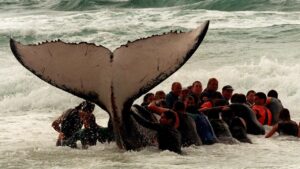
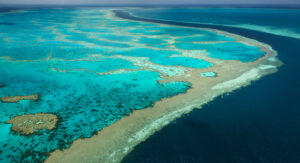 Most of our educators were lucky enough to have grown up next to the ocean in Queensland or NSW. The East Coast of Australia is probably one of the best places on earth to grow up if you love the ocean!