
Category Archives: Programs

Year 3 Science Incursions in Brisbane


Ocean Life Education’s Life Cycle Program

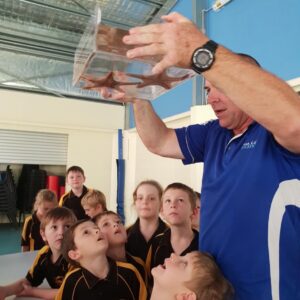
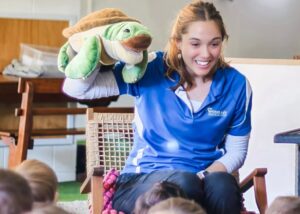
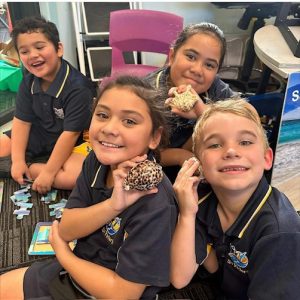
During Ocean Life Education’s exciting “Life Cycles – The Birth and Growth of Animals” incursion students will dive into the fascinating world of marine animals to uncover the unique life cycles of various sea creatures. By interacting with a diverse array of marine life, they gain insights into reproduction, birth, and growth stages across different species and experience first-hand differences that exist between living and non-living things. This incursion highlights examples from iconic local marine animals, focusing on sharks, whales and turtles to ensure it is relevant to local students. Keep reading to find out more about our Year 3 Science Incursions in Brisbane.


Link to Primary Programs

Exploring Marine Reproduction

During this engaging incursion, we highlight the different ways in which our ocean creatures come into the world.

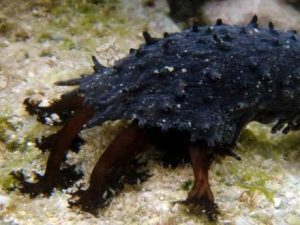
Our sea stars, sea cucumbers and sea urchins offer wonderful examples of exterior fertilization…where adults release eggs and sperm into the water. And our sharks and freshwater turtles provide living proof of how interior fertilisation occurs in other species.

Incredible Ocean Births

Students find out that not all animals are born the same way and that our sharks and freshwater turtles hatch from eggs as perfect miniature versions of their parents. Whereas our sea stars and sea urchins start out their life as a plankton, later going through dramatic change (metamorphosis) to become like their parents.

We love seeing the surprise on children’s faces as they contemplate these mind-blowing wonders of nature!

The Fascinating World of Shark Reproduction

Focusing on our sharks, we then discuss the three different ways in which they may be born, according to the species. Some sharks are born from eggs (like our little ones), some are born alive (like us), e.g. Great Whites, Tiger Sharks and Whaler Sharks, and then there are some like the Grey Nurse Shark that are a combination of the two.

Students love exploring sharks and discussing how and why they have evolved in these ways.

Shark Life Cycle Resources

Examining Local Case Studies – Humpback Whales

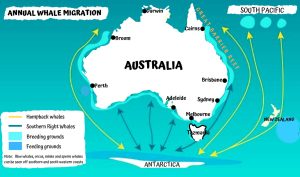
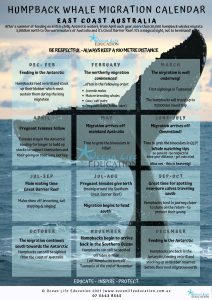
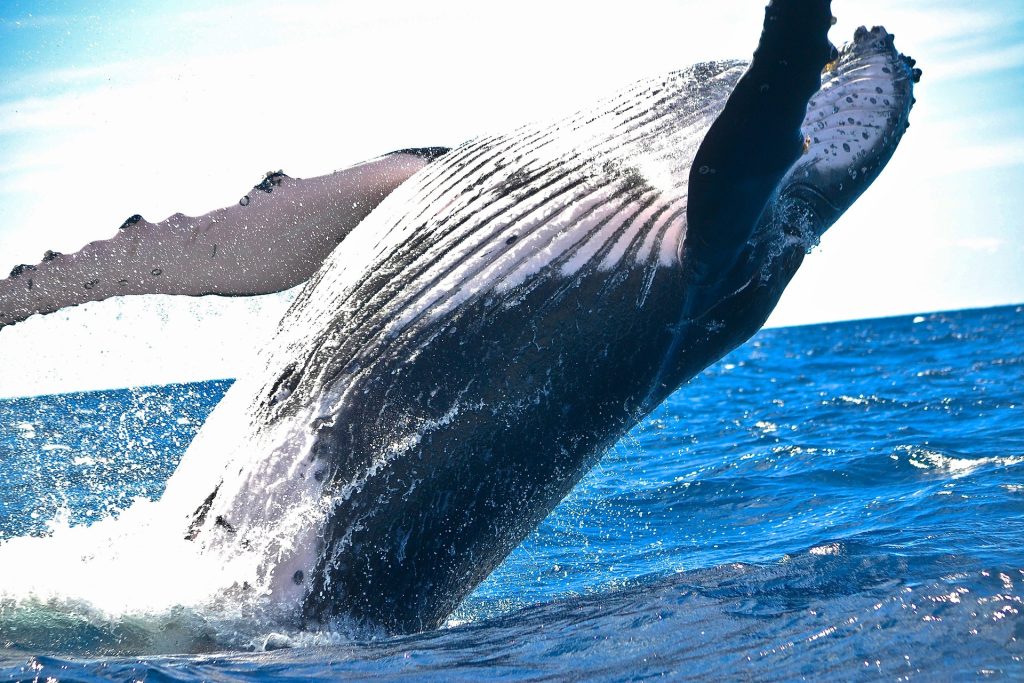
Some animals travel long distances as part of their life cycle, such as Humpback Whales that travel from Antarctica up into the tropical waters off Queensland’s coast to give birth to their calves in warmer waters. Through suckling their young, the females provide calves with the energy and precious fat stores needed to survive the long migration back down to the icy southern waters where they feed on plankton during the Antarctic Summer, before commencing the incredible journey again.

The humpback whale migration begins in May/June heading north off the Australian coastline. We can observe the humpback whales travelling back down to the Antarctic during the months of September and October.

Humpback Resources

Additional Topics Covered in our Life Cycles Incursion

Our Year Three life cycles incursion also teaches students about fundamental biological processes such as the need for food, reproduction, shelter-seeking behaviours, classifying the difference between living and non-living things, adaptation to habitats, and mobility.

Imprinting a Love of the Ocean: Cultivating Future Environmental Advocates

At Ocean Life Education, we firmly believe that “you protect what you know and love.” That’s why we’re dedicated to teaching children about the wonders of the ocean. By fostering a deep connection with marine environments, we aim to inspire the next generation of environmental advocates.

Our passionate team brings this mission to life through engaging science incursions, where our enthusiasm for the ocean is evident. It’s this genuine love and commitment that make our educational experiences truly unique and impactful. We’re excited to share our passion and knowledge, hoping to spark a lifelong appreciation for the ocean in every child we reach.

Find out more about our Year 3 Science Incursions in Brisbane.

A Note About Year 3 Curriculum Science: Biological Science

This incursion aligns with the Australian Curriculum content description ‘Science Understanding’ and under the sub strand of ‘Biological Science’.  AC9S3U01…

“Students classify and compare living and non-living things and different life cycles”.

 Useful links

Life Cycle Activities & Resources

Blog: Life Cycles of Ocean Animals for Schools

Ocean Life Education’s Life Cycles Video

Our Primary Incursions

Here’s a link to our other news


Year 1 Science Incursions in Brisbane


habitat incursions


Ocean Life Education’s Habitats Program

One of Ocean Life Educations most popular programs is our Habitats Program, which focuses on curriculum learning for students in Prep and Year One. It’s a wonderful interactive based learning experience that focuses on how living things have a few basic needs to survive. Read on to find out more about our year 1 science incursions in Brisbane…

A Voyage of Discovery

Students discover what a habitat is and that in order for an area to be a suitable habitat for an animal, it needs to provide the fundamental elements: food, water, shelter, air and oxygen.

brisbane incursionsExploring a Diverse Range of Habitats

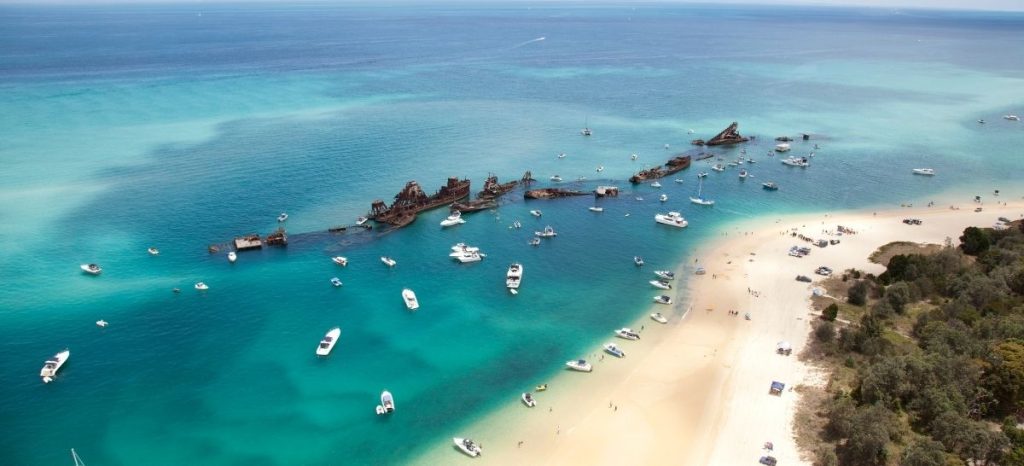
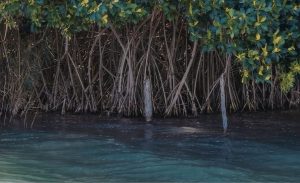
Key habitat areas explored are rocky shores, sandy beaches, mangroves, sea grass beds, coral reefs, and the open ocean.

Find out more about diverse ocean habitats here.


How Ocean Animals Suit their Habitat

Students will discover that animals vary greatly, coming in different shapes and sizes, therefore requiring different types of habitat areas. They will find out through interaction, that our live display animals may live in one or more of these habitat areas and why.

This is a fun and exhilarating way for students to grasp all the key concepts about living things and their habitat.

Helping you Plan your Incursion

In the planning stages, we work with schools and home school centres to ensure your needs are met, and that we are focusing on what’s relevant to your teaching goals. If you have a special area of interest, we will concentrate on that.

Then, on the day of the incursion, our enthusiastic Marine Educators deliver highly educational, fun and engaging incursion that children will remember for a lifetime.

Our Primary Programs

Building Foundational Science Knowledge

These incursions will provide a dynamic and engaging way for Year 1 and Prep students to build foundational knowledge in science, fostering curiosity and a deeper appreciation for the natural world and imprinting a sense of ownership for its wellbeing.

Imprinting a Love of the Ocean

We stand by the statement that you ‘protect what you know and love’ and believe that teaching children about the ocean will help create environmental advocates of the future.

Our whole crew is passionate about the ocean, and we think this is very apparent during our science incursions and what makes the learning experience with Ocean Life Education very special indeed.


Find out about our Ocean Habitats Excursions

Learn about wetland habitats here

A Note About Year 1 Curriculum Science: Biological Science

Our incursions sit under the Australian Curriculum unit ‘Science Understanding’ and under the sub strand of ‘Biological Science’.

Understanding Sciences

AC9S1U01

Identify the basic needs of plants and animals including air, water, food or shelter, and describe how the places they live meet those needs.

Our Primary Incursions

Here’s a link to our other news

And a link to our programs

Coolum Coastcare – Environmental Group

Ocean Life Education – School Incursions

Our Inspiring Team of Marine Biologists


Updating the team page on our website this month made us think that it’s about time to do a blog post dedicated to the incredible people who make our programs so popular – the wonderful crew at Ocean Life Education!

We really do have the best team imaginable who all have one thing in common – their passion for the ocean and their enthusiasm for wanting to share their knowledge and educate others about the big blue.

So, here we report back on what the inspirational crew at Ocean Life Education love about the ocean and why they want to shout about it!

A Passion for the Ocean pistol shrimp and gobie

Our educators tell us that they are driven by a deep passion for the ocean due to key factors that have resulted from childhood or ocean experiences. That’s why we believe that giving children the opportunity to experience ocean life firsthand is key to harbouring a love of the ocean. Here’s what they say…

Reasons our Team Say they Love the Ocean

Fascination with Marine Life: The incredible diversity of marine organisms, from the smallest plankton to the largest whales, captures the imagination. The intricate behaviours, unique adaptations, and complex ecosystems of marine life provide endless opportunities for discovery and study.


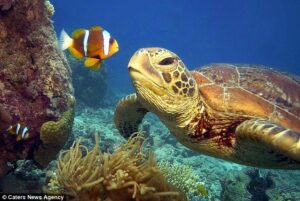
pistol shrimp and gobieOur educator’s favourite ocean animals are diverse, ranging from the tiniest nudibranch, pistol shrimps and gobies, to turtles, humpback whales and graceful manta rays. What an impressive range, demonstrating  just how incredible life in the ocean is.


Environmental Stewardship: A desire to protect and preserve ocean ecosystems against the increasing threats to marine environments, such as pollution, overfishing, and climate change, drive them to work towards conservation and sustainability.


Whale Rescue Coolum 1996

Whale Rescue Coolum 1996

Many of our educators have worked on environmental projects themselves. Director of Education, Richard Coward, has been involved in research projects such as buoyancy syndrome turtle research, shark research and breeding programs.

Many staff, including Richard, have also been involved in rescues, resulting in the release of whales and turtles (amongst other species) back into the wild.

Check out this picture of the rescue that Richard was involved in.


Love of Exploration: The ocean is still largely unexplored, offering a sense of adventure and the allure of uncovering new species, unknown habitats, and geological features.

The mystery and vastness of the ocean inspire curiosity and a spirit of discovery in our crew.

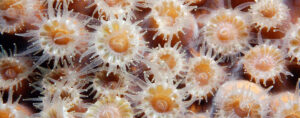
“I was amazed when I went diving at night in Papua New Guinea and was lucky enough to experience a coral spawning event in an ocean that was glowing with bioluminescence (the production and emission of light by a living organism – seen in the image). It just blew my mind! Another time, I was awe-struck when I went diving with a smack (yes, the collective name!) of sea jellies (aka jelly fish). Magic moments that I will treasure forever…and there’s so much more to come!!”


Growing Up on the Coast

Connection to Nature: Our educators all love the ocean, often stemming from childhood experiences, such as beach visits, snorkelling, or scuba diving. This personal connection fuels a lifelong passion for studying and protecting marine environments.

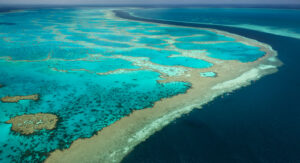
Great-Barrier-Reef-Most of our educators were lucky enough to have grown up next to the ocean in Queensland or NSW. The East Coast of Australia is probably one of the best places on earth to grow up if you love the ocean!

These factors combine to create a strong passion among our team for the ocean and its inhabitants, driving them to be the inspirational educators that they are!

Find out more about our inspirational team

Fancy a career in Marine Biology?

Here’s a link to our other news

And a link to our programs

Sea Shepherd Queensland

Ocean Life Education: Coastal Habitats Educational Excursion


On a very windy but sunny Wednesday in October, Ocean Life Education’s Senior Marine Biologist, Richard Coward, facilitated a wonderful ‘Coastal Habitats’ focused educational excursion for the Bribie Island Home School group, with the help of the lovely Taz Winkler of Pumicestone Homeschoolers…

Educative Ocean Walk

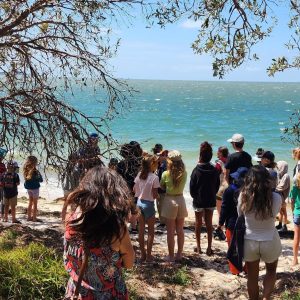
As the tide was quite high and still coming in, we decided to run our Mangrove/Beach Habitat educative walk before the live marine animal exhibit session, in order to maximise on beach time and find as many wildlife remnant treasures as possible!

We walked the group to the beach where we discussed the importance of the mangrove and other beach habitats and why we need to protect them. We also noticed evidence of another habitat washed up on the beach…sea grass!

Seagrass & Mangrove Habitats are very important nursery areas for many of the creatures we find in our ocean and on our beaches, as well as being home to some iconic marine animals such as sea turtles, dugongs and the beautiful mangrove jack (a type of snapper).

Whilst walking, the children found many cool marine oddities such as a ‘sand collar’ (the jelly-like casing for moon snail eggs). We also discovered a sea urchin test (the brittle shell remnants of a sea urchin), blue blubber sea jellies –  aka jelly fish (which they aren’t – as they are not a fish but belong to the same group of animals as corals and sea anemones). Then there was the interesting vegetation such as the mangrove seed pods washed up on the beach, including one that had recently anchored and germinated….the exciting beginning of a new mangrove tree right there before us!

To complement the student’s prior theoretical homeschool learning, we discussed the flow of energy from one habitat to the other, and the fact that different habitats are connected. They were very enthusiastic and already had solid background knowledge of the aquatic environment and its inhabitants from their homeschool studies.

Live Marine Exhibits & Interpretation

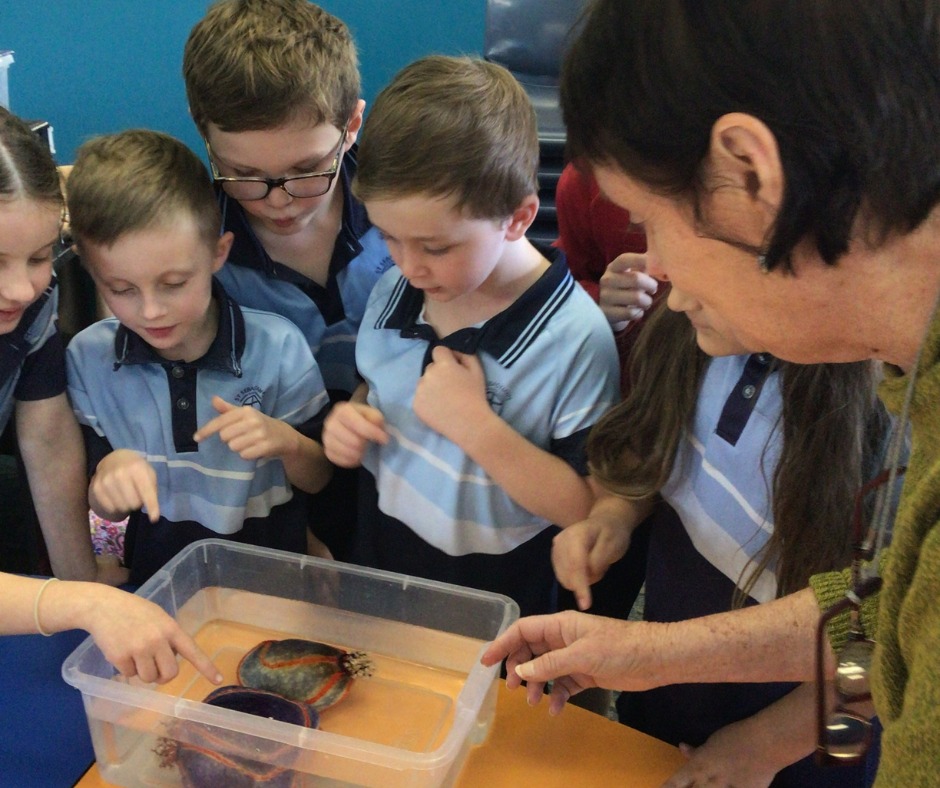
The second part of the excursion took place in a pretty undercover area and focused on our team of live marine animals.

We discussed the creatures in great detail, examining adaptive traits and how all animals look and feel the way they do for a reason. We then explored what roll the animals played in their respective habitats and why we need to look after them and human impact on their environment.

Shark Artefacts 

The group was fascinated by our jawsome! (sorry!) sharks presentation which focused on our impressive collection of shark jaws. They learnt that shark teeth differ greatly in both size and shape, the reasons why and the varying diets that sharks have.

At Ocean Life Education, we like to use the term ‘Amazing Sharks’ so we discussed why we believe sharks are amazing, including their key role in ocean food chains and how they keep the ocean healthy by eating sick or dead animals and keeping numbers of other ocean dwellers in check.

The children also understood that sharks are not interested in eating people….however on very rare occasions they might make a mistake and bite into a human thinking it is a regular food source, such as a seal or large turtle. Together we examined why we need sharks in the ocean and why we believe that sharks deserve some positive PR for a change!

Thank you to an Awesome Group! 

We had a fantastic time on this Coastal Habitats Educational Excursion with a bunch of upper primary to early secondary school aged kids who were polite, enthusiastic and had substantial knowledge of the marine environment. It was a pleasure to share this experience with a group of wonderfully appreciative home school kids!

Thank you to Pumicestone Homeschoolers for having us!

Further reading…

Marine Habitats

Primary Programs

Coolum & North Shore Coastcare Group