
Category Archives: Resources & Activities

Why Do Whale Sharks Eat Plankton? Why the Biggest Sharks Eat Tiny Food

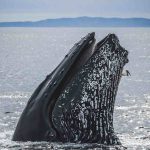
Humpback Feeding

Celebrate Shark Awareness Month with a surprising science lesson

When students imagine the biggest animals in the ocean, they often picture fierce predators with enormous teeth. So they’re usually amazed to discover that the largest shark in the world – and even the biggest whales – feed on some of the smallest creatures in the ocean. So, why do sharks eat plankton

Download your free Shark Awareness Month classroom activity sheet at foot of article

It sounds impossible. Why would a 12-metre whale shark or a 30-metre humpback whale spend its day eating animals no bigger than your fingernail?

This fascinating question is the perfect way to spark curiosity during Shark Awareness Month (July) and Shark Awareness Day, while exploring food chains, adaptations and marine ecosystems.

Meet Queensland’s Gentle Giants

Queensland waters are home to some incredible marine animals, including species that rely on tiny marine life to survive.

🦈 Whale Shark

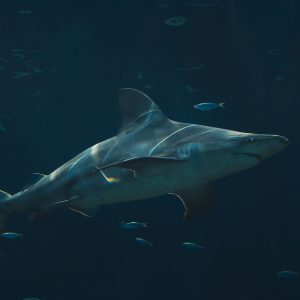
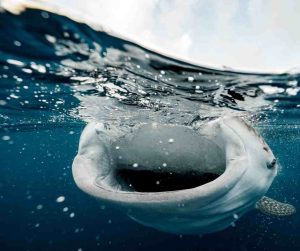
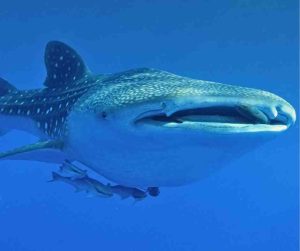
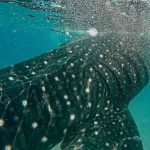
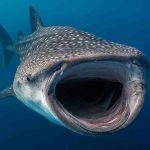
whale shark mouthDespite being the largest fish on Earth, whale sharks feed almost entirely on plankton, tiny fish eggs and small schooling fish.
Instead of chasing large prey, they simply swim slowly through the water with their enormous mouths open, filtering thousands of litres of seawater every hour.

Although whale sharks are occasional visitors to South East Queensland, they are more commonly seen around the Great Barrier Reef and Ningaloo Reef.

Whale shark fast facts

Is a whale shark a shark? 

🐋 Humpback Whale

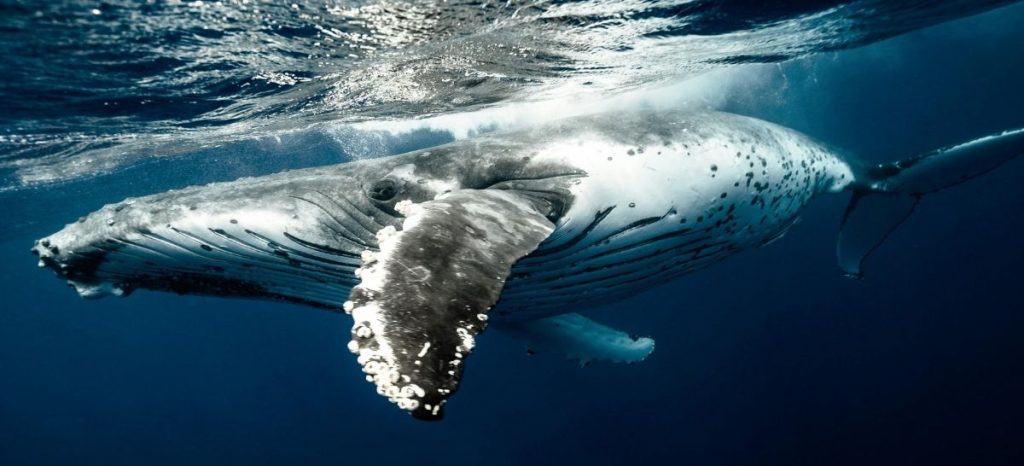
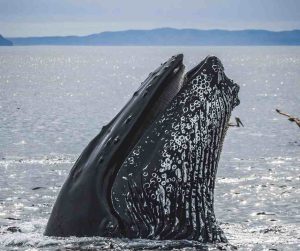
Humpback baleenEvery winter, thousands of humpback whales migrate along the Queensland coast, passing places like Noosa, Mooloolaba and the Sunshine Coast.
These enormous mammals also feed on surprisingly small animals – mainly krill and other tiny crustaceans during their time in Antarctic waters before migrating north to breed.

Their baleen plates act like giant sieves, allowing them to trap huge amounts of food while letting seawater escape.

So…Why Eat Tiny Animals?

The answer is simple:

There are billions of them!

Tiny marine organisms like plankton and krill are among the most abundant living things on Earth.

Instead of hunting one large meal, whale sharks and baleen whales efficiently collect thousands – or even millions – of tiny animals in every mouthful.

Scientists call this filter feeding.

It is one of the most efficient feeding strategies in the ocean.

What Exactly Is Plankton?

Many students think plankton is just one type of animal.

In fact, plankton describes any tiny organism that drifts with ocean currents.

Some plankton are microscopic plants called phytoplankton, while others are tiny animals known as zooplankton.

These organisms form the foundation of almost every marine food chain.

Without plankton, there would be no fish, whales or sharks.

Amazing Ocean Adaptations

Filter-feeding animals have evolved remarkable adaptations.

Whale Sharks

  • Huge mouths over one metre wide
  • Tiny teeth that are rarely used
  • Special filtering pads that trap food
  • Gentle swimming behaviour

Humpback baleenBaleen Whales

  • No teeth
  • Hundreds of baleen plates made from keratin
  • Powerful tongues
  • Huge expandable throats for gulp feeding

These adaptations help them collect enormous amounts of food while using very little energy.

Queensland Connection

Did you know?

Each winter, South East Queensland becomes one of Australia’s best places to observe humpback whales during their annual migration.

Students may even spot whales from:

  • Noosa National Park
  • Point Lookout (North Stradbroke Island)
  • Cape Moreton
  • Mooloolaba coastline
  • Coolum and Peregian beaches

This makes Shark Awareness Month the perfect time to compare two of the ocean’s most impressive filter feeders – the whale shark and the humpback whale.

Where can Australian Students See Whale Sharks?

Include information such as:

  • Ningaloo Reef (WA) hosts the world’s best-known seasonal whale shark aggregation.
  • Whale sharks are occasionally seen in Queensland waters.

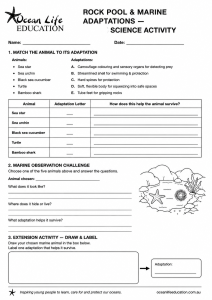
Classroom Activities (Years 7–9) – See Activity Handout Below

1. Bigger Isn’t Always Scarier

Show students pictures of:

  • Great White Shark
  • Whale Shark
  • Humpback Whale

Ask:

Which one do you think eats the biggest prey?

Students are often surprised by the answer.

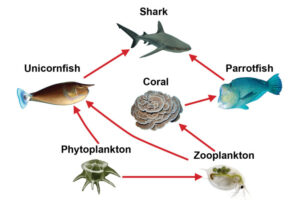
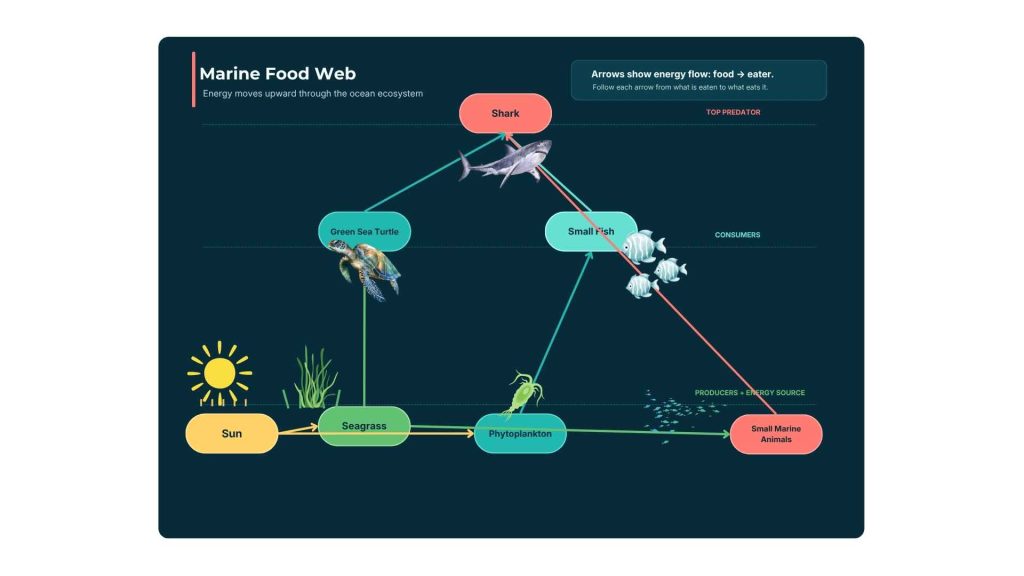
simple marine food chain2. Build a Marine Food Chain

Challenge students to create a food web beginning with:

Sunlight → Phytoplankton → Zooplankton → Small Fish → Larger Fish → Sharks

Then compare it with:

Sunlight → Phytoplankton → Zooplankton → Whale Shark

or

Sunlight → Phytoplankton → Krill → Humpback Whale

Discuss how different species occupy different roles within marine ecosystems.

Filter feeder3. Design a Filter Feeder

Ask students to invent their own giant marine animal.

They should decide:

  • How does it collect food?
  • What adaptations does it need?
  • Where does it live?
  • What does it eat?
  • How does it survive?

Students can label their design and explain how their adaptations help them feed efficiently.

4. STEM Challenge: Can You Filter Like a Whale?

Using everyday classroom materials, students design and test a simple filter that separates different-sized particles from water.

Encourage them to investigate:

  • Which materials worked best?
  • What particle sizes were captured?
  • How is this similar to baleen or a whale shark’s filtering system?

This hands-on investigation introduces engineering design, observation and scientific inquiry.

Check out our other whale resources here.

Why Sharks Matter

Shark Awareness Month is about much more than changing people’s perceptions of sharks.

It is an opportunity to help students understand that sharks perform many different ecological roles.

While some species are top predators, others – like the whale shark – are gentle filter feeders that depend on healthy plankton populations and balanced marine ecosystems.

Protecting sharks helps protect the entire ocean. Check out our other shark resources here.

Australian Curriculum Links

This topic supports learning across Years 7–9, including:

  • Science: Ecosystems, adaptations, food webs and biodiversity.
  • Science Inquiry: Questioning, predicting, investigating and analysing evidence.
  • Design and Technologies: Designing and testing filter-feeding models.
  • Sustainability Cross-Curriculum Priority: Understanding healthy marine ecosystems and biodiversity conservation.

Ocean Life Education

Bring Marine Science to Life

Want your students to experience marine science firsthand?

Ocean Life Education’s interactive incursions bring live marine animals into Queensland schools, helping students explore shark adaptations, marine food webs, ocean conservation and the incredible diversity of Australia’s coastal ecosystems.

Our curriculum-aligned programs inspire curiosity while supporting learning across Science, Geography and Sustainability.

Find out more about our live marine education incursions and discover how we can bring the wonders of the ocean to your classroom.

Book a Primary Ocean Science Incursion for Your School

Download your free Shark Awareness Month classroom activity sheet here

Thank you for reading: Why Do the Biggest Sharks Eat Tiny Animals?

Author: Hayley Gee, Marine Educator, Ocean Life Education

Teaching Life Cycles of Humpback Whales

Humpback whale


Humpback whales are amongst the most fascinating marine mammals. Their annual migration up and down Queensland’s coast provides a fantastic learning opportunity for regional students. This blog offers educators valuable information about humpback whale life cycles, habitats, and threats, along with engaging discussion points and activities that can be brought to life with a trip to the coast to view the spectacle that is the annual humpback migration.

Ocean Life Education can support curriculum learning by hosting a humpback whale themed incursion or coastal excursion or event during the Queensland annual whale watching season (June-Oct), focusing on crucial aspects of the humpback whale life cycle and tailor-making the program to your needs.

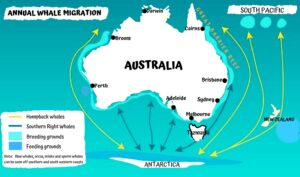
Humpback migration map Australia

The Journey from Antarctica to Queensland

Each year, around 20,000 humpback whales embark on one of the longest migrations of any species. They cover around 10,000 kilometres from the Antarctica to the warm water of Queensland further north. This journey occurs between May and November, and is vital for the survival of their species, ensuring a safe environment for calving and nurturing young during the crucial first stage of their life cycle.

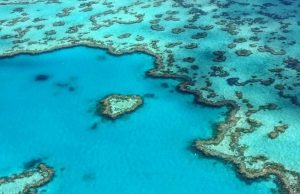
Great Barrier Reef EcosystemWhy Do Humpback Whales Choose Queensland’s Warm Waters?
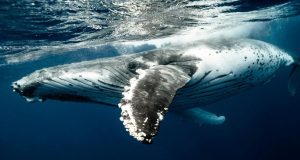
Northern Queensland and The Great Barrier Reef provide the perfect conditions (see Habitats Program) for humpback whale mothers and their calves. Unlike the food-rich waters of Antarctica, the tropical waters offer safety from predators like orcas and warmth for the less insulated calves – that haven’t yet developed sufficient blubber for cold temperatures.

Humpback whales also mate during this time in warmer waters.

Humpback whale life cycle resource


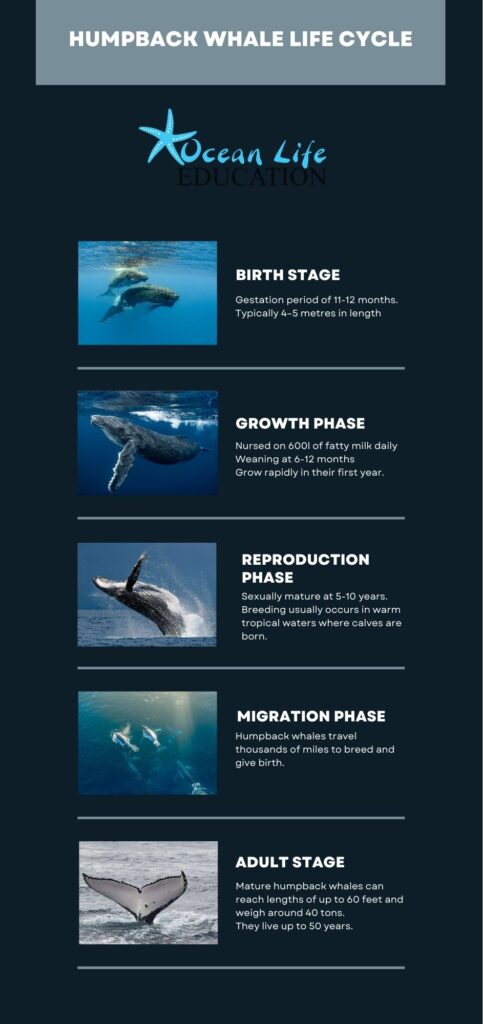
As mammals, humpback whales give birth to live young after an 11-month pregnancy.

When born, a calf is about four to five metres long and weighs nearly a tonne! The mother immediately helps it to the surface for its first breath and begins nursing it with nutrient-rich fatty milk, which helps it grow rapidly.

Early Development

The relationship between a mother and her calf is crucial for its survival. Mothers protect their calves and teach them essential skills, such as swimming – mimicking the mother, breathing, and using vocalisations to communicate.

A calf drinks a staggering 600 litres of milk daily, enabling it to gain strength and blubber quickly in order to survive the journey back south to the icy cold waters of Antarctica.

After several months in Queensland’s waters, mother and calf begin their long journey back to Antarctica. This phase is challenging for the young whale, as it must adapt to colder temperatures and start learning how to find food on its own. By the time they reach Antarctica, the calf is much stronger and more independent.

Reproduction & Maturity

Humpback whales reach reproductive age after around 5-10 years. Once mature, they then mate during the long journey north.

Humpback whales live until they are about 50 years old, when they complete the humpback whale life cycle.

Teaching Opportunities in the Classroom

Humpback whaleEducators can integrate humpback whale life cycles, humpback whale migration, and marine conservation into science, geography, and environmental studies. Here are some ideas for classroom activities:

  1. Mapping the Migration – Have students trace the migration route and identify key locations such as The Antarctic, Hervey Bay, and the Great Barrier Reef. Check out our Humpback Whale Migration Calender.
  1. Whale-Watching Research – Book an Ocean Life Education hosted excursion to explore local whale-watching opportunities along the Queensland coast and discuss conservation efforts as outlined in our Human Impact Incursions.
  1. Creative Writing – Ask students to write a diary entry from the perspective of a migrating whale calf. Our Ocean Literacy incursions can set you up perfectly for this.
  1. Marine Animal Comparisons – Compare humpback whales with other marine animals, focusing on reproduction and survival strategies. Ocean Life Education’s interactive marine displays offer the perfect opportunity to compare with a diverse range of marine species, including fish and turtles.
  1. Environmental Awareness – Discuss threats such as climate change, shark nets, plastic pollution, and ship strikes, and brainstorm ways to help protect marine life. Ocean Life Education’s Human Impact Program, The Earth Under Threat, develops an understanding of the issues and how students can take responsibility for conservation.

Observing Whales in the Wild

From June to October, teachers and students can witness the magnificent sight of humpback whales along the Queensland coast. Observing their playful behaviours, such as breaching and tail-slapping, provides an exciting way to connect learning with real-world experiences. Check out our whale watching guide to find out more.

Conclusion

Humpback whales are a vital part of Australia’s marine ecosystem, and their migration offers a compelling educational topic. By teaching students about these magnificent creatures, educators can foster a love for marine conservation and inspire future generations to protect our oceans. 

By integrating humpback whale life cycles, humpback whale migration, and Great Barrier Reef whale conservation into your lessons, you can provide students with valuable knowledge about marine life and the importance of protecting these incredible creatures.

Having the annual humpback migration passing by our coastline each year is an invaluable opportunity for children to appreciate these magnificent creatures in the wild. What a wonderful place East Coast Australia is to live! 


About Ocean Life EducationJaide Cambourne Ocean Life Education

Our oceans are full of the most incredible biodiversity, from plankton to enormous whales, all playing a crucial role in maintaining the health of our planet. Ocean Life Education’s aim is to  raise awareness about the delicate balance of marine ecosystems and the threats they face today.

We bring the ocean to life with our mobile incursions, engaging excusions, and events across South East Queensland! Visiting early learning centers, schools, and other settings, we deliver interactive, curriculum-based programs featuring live marine animals and live marine displays.

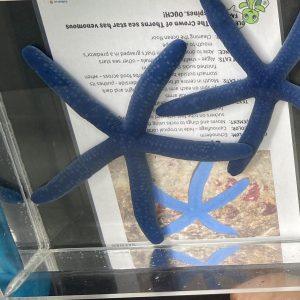
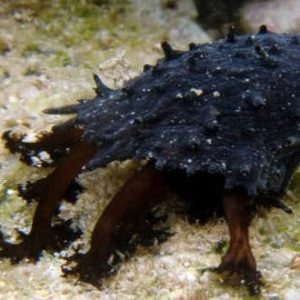
Our diverse team of live marine animals includes a baby shark, freshwater turtle, sea stars, sea cucumbers and sea urchins.

Resources and Further Reading 

Whale Resources and online courses 

For more information about what we do, check out Ocean Life Education.

We hoped you enjoyed reading our blog: Teaching Humpback Whale Life Cycles

Here’s a link to our other news

Human Impact Teaching Resources for Schools in Australia


In Australia, the unique biodiversity and fragile ecosystems make understanding human impact on the environment especially crucial. Teaching students about human impact not only fosters environmental awareness but also encourages responsible citizenship. To support educators in Australia in this task, a variety of teaching resources tailored to the local context are available. In this blog post, we will explore some valuable human impact teaching resources designed specifically for schools in Australia.

Why Teach About Human Impact in Australia?

Australia’s diverse landscapes, from the Great Barrier Reef to the Outback, are home to countless unique species and Great-Barrier-Reef- ecosystems. However, these environments are increasingly threatened by factors such as climate change, habitat destruction, and pollution. By educating students about human impact, we can empower them to appreciate and protect Australia’s natural heritage. This knowledge can inspire future generations to make eco-friendly choices and advocate for environmental conservation.

Top Human Impact Teaching Resources for Australian Schools

1. Educational Websites

Cool Australia

Description: Cool Australia offers a wide range of free educational resources, including lesson plans, videos, and interactive activities focused on sustainability and environmental conservation.

Features: Curriculum-aligned content, teacher guides, and resources that highlight Australian-specific environmental issues.

Eco Warriors

Description: Eco Warriors provides engaging online resources, games, and activities designed to educate primary school students about environmental stewardship.

Features: Interactive learning modules, printable worksheets, and multimedia resources with an Australian context.

National Geographic Kids Kids Nat Geo

Description: National Geographic Kids offers a range of articles, videos, and interactive activities that explore environmental issues and human impact.

Features: Engaging content, quizzes, and classroom resources suitable for primary school students.

Books

“The Lorax” by Dr. Seuss 

Description: This classic children’s book explores the consequences of environmental destruction in a whimsical and memorable way.

Features: Engaging storytelling, vibrant illustrations, and valuable lessons about conservation and stewardship. The Lorax

“The Great Kapok Tree: A Tale of the Amazon Rainforest” by Lynne Cherry

Description: This beautifully illustrated book introduces students to the concept of deforestation and its impact on rainforest ecosystems, providing a global perspective on human impact.

Features: Rich illustrations, a compelling narrative, and themes that resonate with Australian environmental issues.

“Possum Magic” by Mem Fox

Description: While not strictly an environmental book, “Possum Magic” celebrates Australian wildlife and landscapes, making it a great starting point for discussing human impact.

Features: Charming illustrations, a captivating storyline, and opportunities to explore themes of conservation and biodiversity.

“One Plastic Bag: Isatou Ceesay and the Recycling Women of the Gambia” by Miranda Paul

Description: This inspiring true story introduces students to the concept of recycling and the importance of community One Plastic Bag involvement in environmental conservation.

Features: Beautiful illustrations, a compelling narrative, and themes of empowerment and sustainability.

Interactive Workshops and Programs

Ocean Life Education

Description: Inspirational hands on learning with live marine animals and knowledgeable marine educators delivering engaging incursions and excursions throughout SE Queensland and northern NSW. Based on the Australian curriculum or tailored to special interests.

Features: a diverse range of live marine animals, artifacts and resources.

Kids Teaching Kids

Description: Kids Teaching Kids is a national education initiative that empowers students to become environmental leaders through peer-to-peer learning and collaborative projects.

Features: Student-led workshops, environmental action projects, and opportunities for schools to connect and share ideas across Australia.

Earthwatch Australia

Description: Earthwatch Australia offers immersive citizen science programs that allow students to participate in hands-on research projects focused on local environmental issues.

Features: Field-based learning experiences, expert-led expeditions, and curriculum-aligned resources that encourage scientific Kids Teaching Kids inquiry and environmental advocacy.

Curriculum Guides

Ocean Life Education

Description: Inspirational hands on curriculum based programs complemented by resources, supporting schools and childcare settings to teaching curriculaum topics.

Learning with live marine animals and knowledgeable marine educators delivering engaging incursions and excursions throughout SE Queensland and northern NSW. Based on the Australian curriculum or tailored to special interests.

Features: Aligned with the Australian Curriculum, includes practical tools for implementing sustainability initiatives. Educators arrived with a diverse range of live marine animals, artifacts and resources and host events as well as incursions and excursions.

ResourceSmart Schools

Description: ResourceSmart Schools offers a comprehensive sustainability program with curriculum resources, professional development opportunities, and support for schools across Australia.

Features: Aligned with the Australian Curriculum, includes practical tools for implementing sustainability initiatives, and fosters whole-school engagement.

CERES Education

Description: CERES Education provides hands-on sustainability education programs, resources, and workshops tailored to Australian schools.

Features:Curriculum-linked activities, teacher guides, and student-led projects that promote environmental awareness and action.

Summary

Teaching primary school students about human impact in Australia is essential for nurturing a sense of environmental responsibility and stewardship. With the help of these tailored resources, educators can engage students in meaningful learning experiences that highlight the importance of conserving Australia’s unique ecosystems and biodiversity. By integrating these teaching tools into the curriculum, we can inspire young Australians to become informed and active participants in shaping a sustainable future for their country and the planet.

Our Programs

We will work with you to ensure that our programs are tailored to suit your needs.

Click here to learn about our inspirational programs.

Useful links

Here’s a link to our other news


Life Cycles of Ocean Animals for Schools

Marine animals have diverse life cycles depending on their species and ecological niche. Here are some common life cycle patterns observed in marine animals:

Oviparous

Producing young by means of eggs which are hatched after they have been laid by the parent.

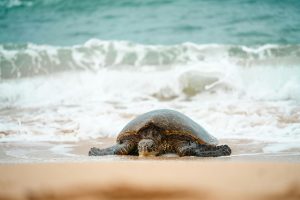
Many marine animals lay eggs that hatch then undergo a series of developmental stages before transforming into adults. For example, sea turtles lay eggs on beaches, and the hatchlings make their way to the sea where they undergo a pelagic (open ocean) stage before maturing into adults.

Learn more about turtle life cycles with our free resources

Viviparous

Give birth to live young.

These species nourish their developing embryos internally and give birth to fully formed offspring. Marine mammals such as shark life cycles whales, dolphins, and seals exhibit this type of life cycle. The majority of sharks give birth to live young too.

Learn more about vivaparous sharks and shark life cycles

Metamorphosis

Change of physical form, structure, or substance.

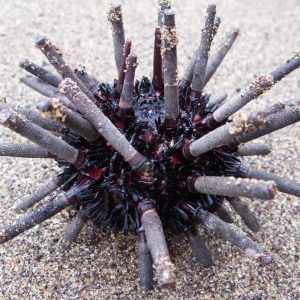
Some marine invertebrates, such as sea urchins, sea stars, and certain types of crustaceans, undergo metamorphosis. They start their lives as larvae, which go through a radical transformation to become adults.

Learn more about metamorphosis in sea urchins and sea stars

Complex Life Cycles

Many marine invertebrates, like corals and certain types of worms, have complex life cycles involving multiple stages and forms. They may have larval stages that float in the water column before settling on a substrate and metamorphosing into adults.

When coral polyps are sexually mature and their cells produce gametes (egg and/or sperm). The gametes are fertilized and produce a zygote which creates new cells and eventually forms a new coral polyp.

Planktonic Life

Numerous marine organisms, including various types of zooplankton and phytoplankton, have life cycles that occur entirely within the water column. These organisms often have free-floating larval stages that drift with ocean currents until they develop into adult forms.

Learn more about the open ocean habitat

Life cycles can vary greatly among different marine animal species. Factors such as reproduction, development, feeding habits, and habitat requirements influence the particular life cycle patterns observed in each species.


Example Life Cycles of marine animals

Turtles

Turtles have an intriguing life cycle that involves various stages of development and unique behaviors. Here is an overview of turtle life cycle the life cycle of turtles:

  1. Nesting and Egg Laying: Female turtles return to land, usually the same beach where they were born, to lay their eggs. They dig a hole in the sand using their hind flippers and deposit a clutch of eggs. The number of eggs in a clutch depends on the turtle species, ranging from a few to over a hundred. Once the eggs are laid, the female covers the nest with sand and returns to the sea.
  2. Incubation: The eggs are left buried in the warm sand to incubate. The temperature plays a vital role in determining the sex of the hatchlings. Warmer temperatures typically produce females, while cooler temperatures result in males. The incubation period can vary depending on the species and environmental conditions but generally ranges from several weeks to a few months.
  3. Hatching: When the time is right, the hatchlings begin to emerge from the nest. Using their egg tooth, a small pointed structure on their snout, they break open the eggshell. Hatchlings often emerge together in a group, which provides some protection against predators. It’s estimated that only 1 in 1,000 hatchlings will survive to adulthood.
  4. Journey to the Sea: Once they hatch, the tiny turtles instinctively crawl towards the brightest light, which is typically the reflection of the moon on the ocean’s surface. This natural instinct helps guide them towards the water. They may face various challenges on their way, such as avoiding predators and navigating obstacles.
  5. Pelagic Stage: After reaching the water, the hatchlings enter what is known as the pelagic (open ocean) stage. During this period, they spend much of their time floating and swimming in the open ocean, away from coastal areas. This stage can last for several years, depending on the turtle species.
  6. Growth and Development: As the hatchlings continue their journey through the pelagic stage, they undergo significant growth and development. They feed on a diet consisting mainly of plankton, small organisms, and jellyfish, depending on their species.
  7. Juvenile Stage: After the pelagic stage, the turtles begin to transition into the juvenile stage. At this point, they leave the open ocean and migrate to coastal areas, such as estuaries and nearshore habitats such as coral reef. Here, they find shelter, food, and suitable environments to grow and mature.
  8. Maturation: The turtles continue to grow and mature over several years or even decades, depending on the species. The time it takes for turtles to reach sexual maturity varies widely among species, ranging from a few years to several decades.
  9. Reproduction: Once turtles reach sexual maturity, they return to the nesting grounds, often the same beach where they were born, to lay their own eggs. This completes the life cycle, as they repeat the process of nesting and egg laying.


The life cycle can vary among different turtle species. Each species has its own unique behaviors, migration patterns, and habitat preferences. Environmental factors, such as temperature, habitat availability, and human activities, can also influence the success and survival of turtle populations throughout their life cycle.


Teaching Marine Life Cycles

Our curriculum based Primary Programs give students the opportunity to observe live marine animals such as sea stars, sea urchins and sharks. This brings the learning experience to life.

Please check out our Primary Programs for more information.