



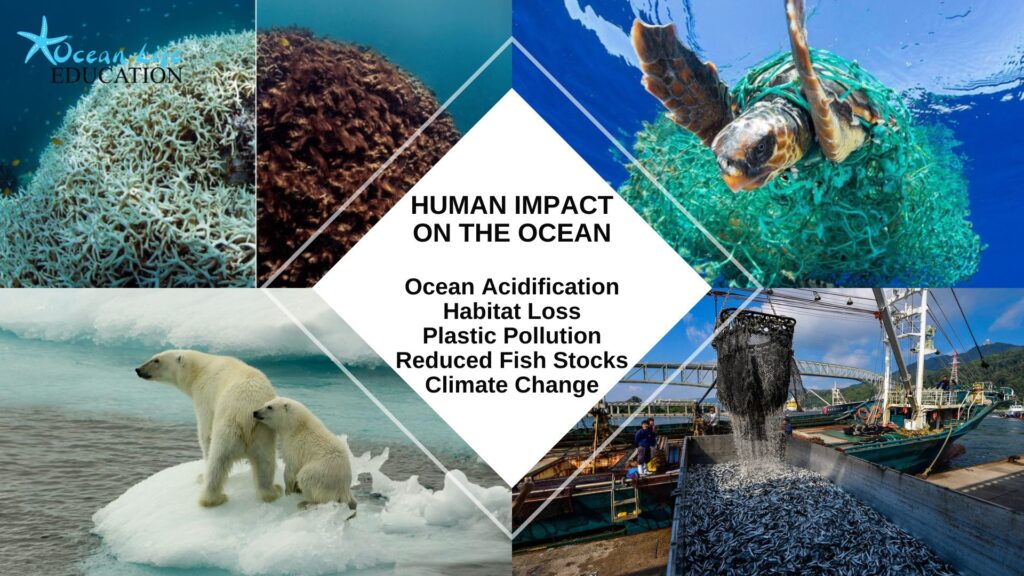
In Australia, the unique biodiversity and fragile ecosystems make understanding human impact on the environment especially crucial. Teaching students about human impact not only fosters environmental awareness but also encourages responsible citizenship. To support educators in Australia in this task, a variety of teaching resources tailored to the local context are available. In this blog post, we will explore some valuable human impact teaching resources designed specifically for schools in Australia.
Why Teach About Human Impact in Australia?
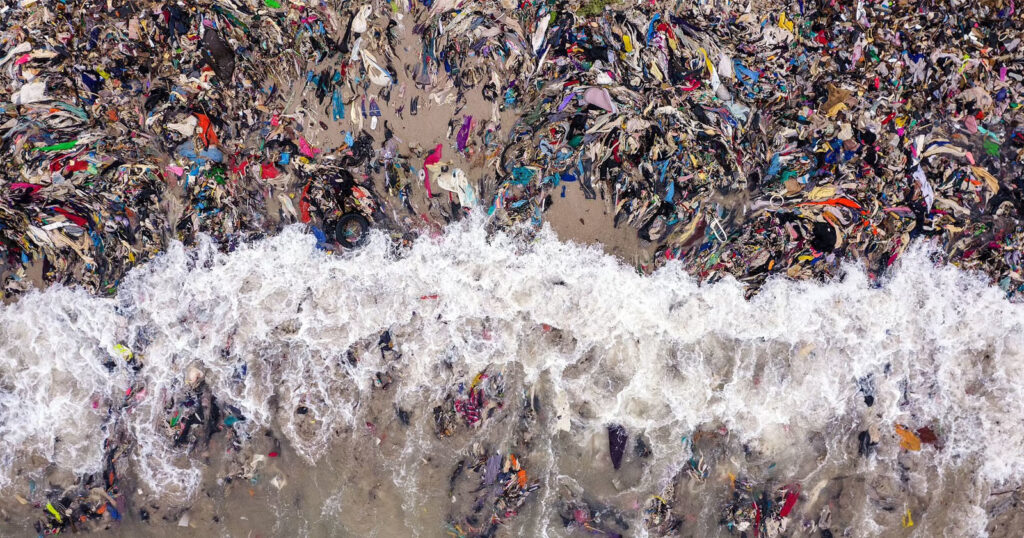
Australia’s diverse landscapes, from the Great Barrier Reef to the Outback, are home to countless unique species and 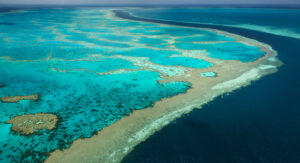 ecosystems. However, these environments are increasingly threatened by factors such as climate change, habitat destruction, and pollution. By educating students about human impact, we can empower them to appreciate and protect Australia’s natural heritage. This knowledge can inspire future generations to make eco-friendly choices and advocate for environmental conservation.
Top Human Impact Teaching Resources for Australian Schools
1. Educational Websites
Cool Australia
Description: Cool Australia offers a wide range of free educational resources, including lesson plans, videos, and interactive activities focused on sustainability and environmental conservation.
Features: Curriculum-aligned content, teacher guides, and resources that highlight Australian-specific environmental issues.
Eco Warriors
Description: Eco Warriors provides engaging online resources, games, and activities designed to educate primary school students about environmental stewardship.
Features: Interactive learning modules, printable worksheets, and multimedia resources with an Australian context.
National Geographic Kids 
Description: National Geographic Kids offers a range of articles, videos, and interactive activities that explore environmental issues and human impact.
Features: Engaging content, quizzes, and classroom resources suitable for primary school students.
Books
“The Lorax” by Dr. Seuss
Description: This classic children’s book explores the consequences of environmental destruction in a whimsical and memorable way.
Features: Engaging storytelling, vibrant illustrations, and valuable lessons about conservation and stewardship. 
“The Great Kapok Tree: A Tale of the Amazon Rainforest” by Lynne Cherry
Description: This beautifully illustrated book introduces students to the concept of deforestation and its impact on rainforest ecosystems, providing a global perspective on human impact.
Features: Rich illustrations, a compelling narrative, and themes that resonate with Australian environmental issues.
“Possum Magic” by Mem Fox
Description: While not strictly an environmental book, “Possum Magic” celebrates Australian wildlife and landscapes, making it a great starting point for discussing human impact.
Features: Charming illustrations, a captivating storyline, and opportunities to explore themes of conservation and biodiversity.
“One Plastic Bag: Isatou Ceesay and the Recycling Women of the Gambia” by Miranda Paul
Description: This inspiring true story introduces students to the concept of recycling and the importance of community 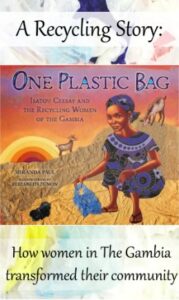 involvement in environmental conservation.
Features: Beautiful illustrations, a compelling narrative, and themes of empowerment and sustainability.
Interactive Workshops and Programs
Ocean Life Education
Description: Inspirational hands on learning with live marine animals and knowledgeable marine educators delivering engaging incursions and excursions throughout SE Queensland and northern NSW. Based on the Australian curriculum or tailored to special interests.
Features: a diverse range of live marine animals, artifacts and resources.
Kids Teaching Kids
Description: Kids Teaching Kids is a national education initiative that empowers students to become environmental leaders through peer-to-peer learning and collaborative projects.
Features: Student-led workshops, environmental action projects, and opportunities for schools to connect and share ideas across Australia.
Earthwatch Australia
Description: Earthwatch Australia offers immersive citizen science programs that allow students to participate in hands-on research projects focused on local environmental issues.
Features: Field-based learning experiences, expert-led expeditions, and curriculum-aligned resources that encourage scientific  inquiry and environmental advocacy.
Curriculum Guides
Ocean Life Education
Description: Inspirational hands on curriculum based programs complemented by resources, supporting schools and childcare settings to teaching curriculaum topics.
Learning with live marine animals and knowledgeable marine educators delivering engaging incursions and excursions throughout SE Queensland and northern NSW. Based on the Australian curriculum or tailored to special interests.
Features: Aligned with the Australian Curriculum, includes practical tools for implementing sustainability initiatives. Educators arrived with a diverse range of live marine animals, artifacts and resources and host events as well as incursions and excursions.
ResourceSmart Schools
Description: ResourceSmart Schools offers a comprehensive sustainability program with curriculum resources, professional development opportunities, and support for schools across Australia.
Features: Aligned with the Australian Curriculum, includes practical tools for implementing sustainability initiatives, and fosters whole-school engagement.
CERES Education
Description: CERES Education provides hands-on sustainability education programs, resources, and workshops tailored to Australian schools.
Features:Curriculum-linked activities, teacher guides, and student-led projects that promote environmental awareness and action.
Summary
Teaching primary school students about human impact in Australia is essential for nurturing a sense of environmental responsibility and stewardship. With the help of these tailored resources, educators can engage students in meaningful learning experiences that highlight the importance of conserving Australia’s unique ecosystems and biodiversity. By integrating these teaching tools into the curriculum, we can inspire young Australians to become informed and active participants in shaping a sustainable future for their country and the planet.
Our Programs
We will work with you to ensure that our programs are tailored to suit your needs.
Click here to learn about our inspirational programs.
Useful links
Here’s a link to our other news
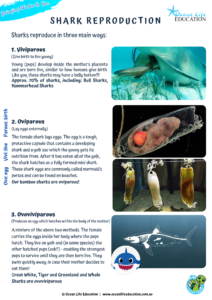 whales, dolphins, and seals exhibit this type of life cycle. The majority of sharks give birth to live young too.
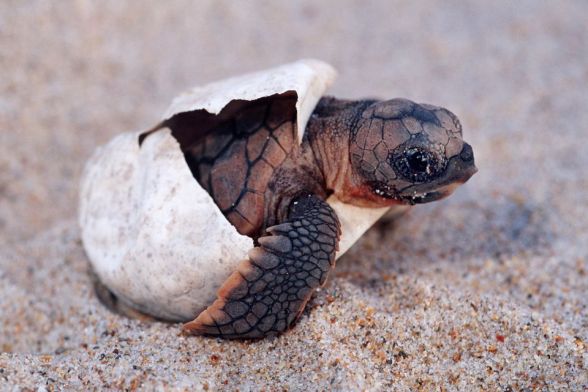
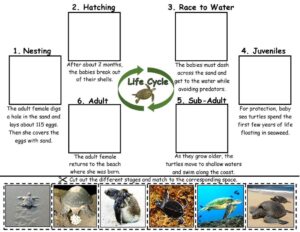 the life cycle of turtles:
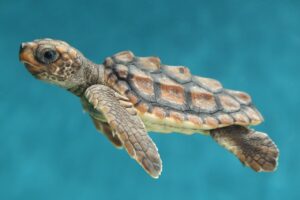 growth and development. They feed on a diet consisting mainly of plankton, small organisms, and jellyfish, depending on their species.
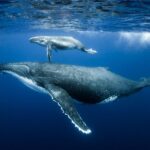 Life Cycle of Whales