
Category Archives: Resources & Activities

Sunshine Coast Rockpool Guide


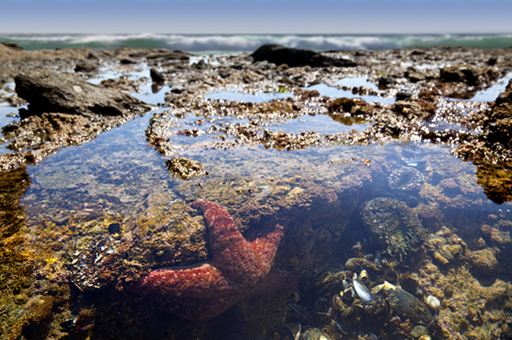
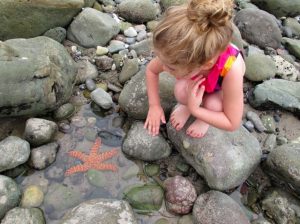
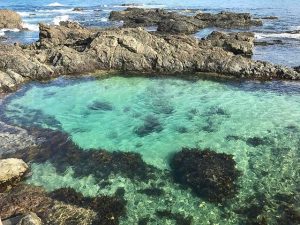
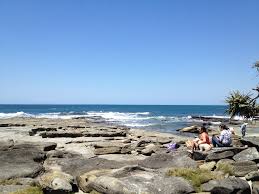
Both adults and budding marine biologists will love discovering the black sea cucumbers, sea urchins, sea stars, and rose barnacles plus many more creatures that make their home in the waters of rocky shoreline areas. For some great places to go rock pooling at low tide, check out out Sunshine Coast rockpool guide below…

🦀 Point Cartwright, Buddina

A local treasure between the river mouth and the headland. Bountiful sandy rock pools with loads to see, perfect for kids to explore safely at low tide.


🦀 Kings Beach, Caloundra

Sheltered rock pools with abundant marine life and plenty more to do.


🦀 Shelly Beach

Renowned for its ankle-deep rock pools that abound with marine life.


Remember to stay safe and be mindful of the tide! And…don’t put your hands in where you cant see what’s there. You never know, there may be a Blue Ringed Octopus lurking around!!!!

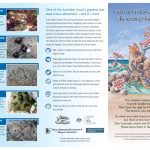
Rock Pool Identification Guide

Sunshine Coast Rockpool Identification


Related Blogs

Rock Pool Animals: Queensland’s Coastal Habitat and Their Amazing Adaptations

Rock Pools Rock


Humpback Whale Teaching Resources


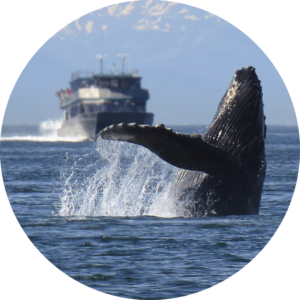
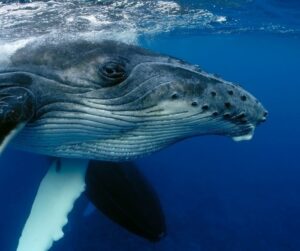
Each year, from May, around 50,000 Humpback Whales migrate from their feeding grounds in the chilly waters of the Antarctic, to warmer waters off Australia’s East and West Coast to birth and mate. The migration can easily be seen from the coast and the acrobatic whales make awesome viewing. So, we decided to create some inspirational humpback migration teaching resources to engage students and to celebrate the arrival of the whales!


HumpbackCurriculum Humpback Whale Teaching Resources
These image-based humpback whale teaching resources are designed to assist in teaching curriculum themes such as human impact, habitats, adaptation, and classification, using an iconic and topical subject. Resources include downloadable videos, infographics, fact sheets, maps, a migration calendar, presentation, activities and more.


Humpback Whale Topics Covered Humpback eye

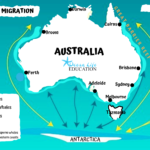
  • Humpback Migration Route
  • Humpback Habitats
  • Humpback Fast Facts
  • Adaptations & Anatomy
  • Humpback Classification
  • Humpback v Toothed Whale & Food Webs
  • Humpback Reproduction
  • Why We Need Whales – The Whale Pump
  • Human Impact
  • How to Help Protect Whales


A Sample of our Humpback Whale Teaching Resources
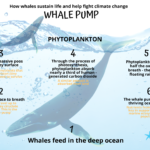
Migration Route Map – detailing how the whales travel up the West & East Coast


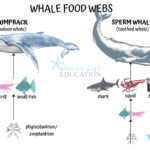
Whale Food Webs

Food Webs – baleen versus toothed whales


The Whale Pump – how whales help us breath
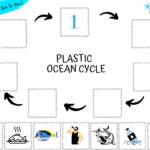


Activity – The Plastic Ocean Cycle


Humpback Whale Videos

We have used impressive humpback whale videos featuring whales being whales! We put the videos to music that should bring a smile to student’s faces!


Educating Students to Protect

We believe that educating students is the best way to inspire them to want to protect the ocean and marine life. The resources pack closes with a section on how students can protect humpback whales.


5 Ways You Can Protect Humpback Whales

  1. Educate yourself & your friends
  2. Whale watch with a responsible company & keep 100 metres away
  3. Report sick or injured animals
  4. Reduce plastic usage & do not litter
  5. Support a whale charity:


Whale & Dolphin Conservation au.whales.org/

Marine Conservation marineconservation.org.au/whaling/

Sea Shepherd seashepherd.org.au/

Humpback & High Rises hhr.org.au/

Resources & Courses

Engage Kids with Sharks

online sharks course

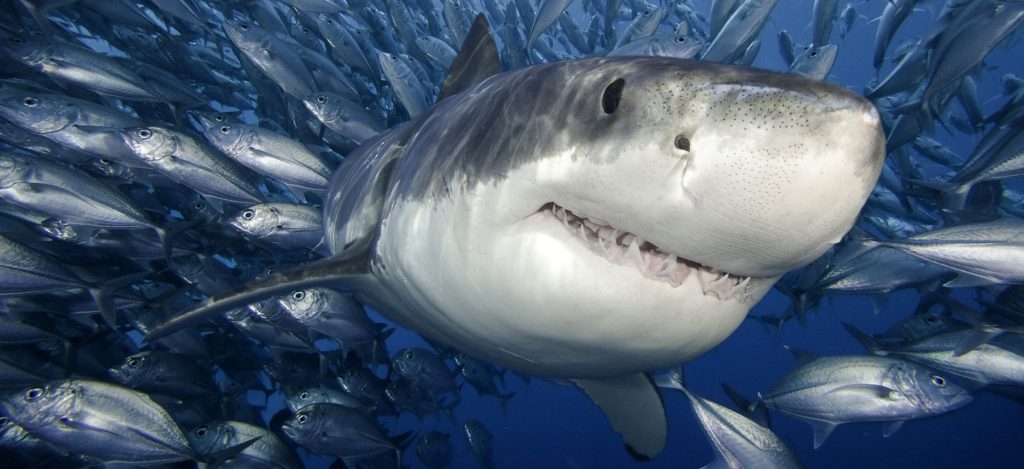
Most children (and adults!) are naturally fascinated by sharks, either through sheer awe and wonder or by misguided fear. So, it’s no surprise that we can engage kids with sharks to learn a whole range of curriculum topics, without them even realising!

Ocean Life Education has developed a range of FREE online shark teaching resources and an online shark course to provide kids, schools and teachers with engaging ways to learn about sharks.

Why Are Kids Fascinated by Sharks?

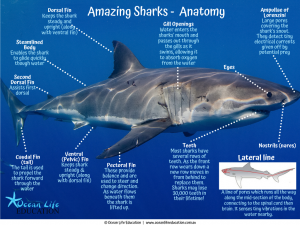
shark anatomy and adaptation

shark anatomy – amazing sharks online course

Unfortunately, kid’s interest in sharks is often fuelled by exaggerated media stories and scary films, but it’s sharks’ appearance, immense power and ability to hunt that really grab their attention.

Incredibly, sharks have been around for at least 450 million years (since before the dinosaurs). A major reason why sharks have outlasted so many other animals, and a key reason why we are so fascinated by sharks, is their incredible anatomy, which is adapted to hunt and to survive.


Teaching Kids About Sharks Helps Protect Sharks and The Ocean

sharks & natural selection

sharks & natural selection

As APEX predators, sharks sit at the top of the food chain and help control the numbers of animals below them in the food web, thus maintaining the balance of life in their marine habitat. By controlling populations of large and mid-sized predators, sharks allow smaller fish to thrive, ensuring healthy ecosystems with a diverse range of species and competitors. Take sharks out of the food chain and the whole structure could collapse.

As we depend on healthy oceans for around 70% of the air that we breath, as well as for a host of other things such as food to eat, it is in our interest to minimise human impact and protect animals that protect our ocean.


Curriculum Themes and Sharks

Through the fascinating topic of sharks, kids can learn a host of curriculum themes such as adaptation, habitats, human impact, food webs, natural selection and classification. Studying the curriculum, while being thoroughly engrossed in the subject matter, makes the process of learning all the more enjoyable and inspiring.
Learning Enrichment and Sharks

Often children who need extra support within learning enrichment respond really well to curriculum-based learning which is based around their own topic of interest. That’s where teaching ‘Sharks’ can be a really useful tool to stimulate interest and hook children in.


Sharks Course for Kids & Shark Teaching Resources 


Ocean Life Education has created a host of engaging FREE shark teaching resources and activities: videos, sharks factAmazing sharks sheets & infographics, shark worksheets, shark activities, shark quizzes and an online shark course for kids (and adults!), with the aim of promoting understanding of sharks. All can be used as engaging shark teaching resources for educators, as well as fun shark activities for kids.

Online Sharks Course for Kids

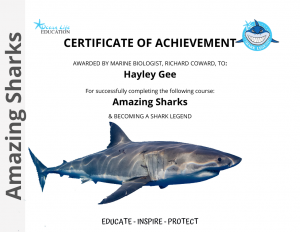
Amazing Sharks Certificate

Amazing Sharks Certificate

Become a Shark Legend with Ocean Life Education’s Amazing Sharks online course – learn the facts, bust the myths and help protect these totally awesome creatures through a fun and interactive online shark course. Personalised shark legend achievement certificate awarded on completion. Suits Age 7+.

We hope you enjoy our resources and course and are inspired to want to protect amazing sharks too.

Want to know more?

Link – ONLINE SHARKS COURSE

Link – SHARK RESOURCES

Blog – Should We Protect Sharks?

5 Awesome Shark Facts

  • Sharks have been around since before the dinosaurs.
  • Sharks are literally built to hunt.
  • Sharks can produce 30,000 teeth in a lifetime.
  • Humans depend on sharks.
  • You have more chance of being killed by a cow than a shark!

5 Easy Ways to Help Protect Sharks

Best Christmas Holiday Beach Activities

There are so many awesome things to do on the beach that will keep everyone occupied for hours this Christmas holiday. The beach is a great place to have fun while learning about the ocean without even knowing it!

Here’s Ocean Life Educations’ guide to the best beach activities this Christmas holiday

1. Make a Christmas Sand Sculpture 

Tools: one large bucket, various sized smaller buckets and cups and bowls, wooden spatula, beach spade.

Carving tools: gardening spade, paper straws, wooden kebab spears, knives, forks, spoons, string for shaving and shaping, various sized paint brushes, plastic spray bottle filled with fresh water (to stop sand drying out) – salt water will block the spray.

Note. Always try to take as little plastic to the beach as possible. Even with the best intentions, things often get lost in the sand. 

Christmas Sand Sculpture Method:

🐠 Choose your festive theme

Maybe start off with a simple idea like a Xmas tree or why not just go for it and get straight down to a Santa bearing gifts!

🐠 Use a big bucket to make a base

Cut the bottom out of an old bucket, turn it upside down and fill it with sand to create a stable base which is too heavy to flip up. See details of how to fill the bucket below…

🐠 Sand consistency is key

Sand consistency is key to success. Add sand to water, not water to sand. Sand needs to be wet but not slushy and not powdery and dry – like a mud consistency really.

🐠  Pack the sand in the bucket 

Pack the sand in the bucket – no more than 7cm thick at a time. Use a wooden spatula to ensure you are firmly packing down the sand as you go. Keep adding like this until the bucket is full. Tap the sides of the bucket with your spatula and if the consistency is good, you should easily be able to remove the bucket to expose your foundation sand block. 

🐠 Build up your base 

Keep adding more sand to your base and compacting it, 7cms at a time, until you have achieved the size and height that you require for your design.

🐠  Carve your sand sculpture 

You are now ready to start work on carving your creation! Remember to carve your sand sculpture from the top down. Create your basic outline and get rid of any unwanted sand. Now it’s time to get down to the detail…

Happy sand carving!


2. Go Rock Pooling

Both adults and budding marine biologists will love discovering the black sea cucumbers, rose barnacles and sea stars plus many more creatures that make their home in the waters of rocky shoreline areas. Here are some great places to go rock pooling at low tide…

🦀 Point Cartwright, Buddina

A local treasure between the river mouth and the headland. Bountiful sandy rock pools with loads to see, perfect for kids to explore safely at low tide.


🦀 Kings Beach, Caloundra

Sheltered rock pools with abundant marine life and plenty more to do.


🦀 Shelly Beach

Renowned for its ankle-deep rock pools that abound with marine life.


Remember to stay safe and be mindful of the tide! And…don’t put your hands in where you cant see what’s there. You never know, there may be a Blue Ringed Octopus lurking around!!!!

Happy hunting! 🦀🦀

Want to know more about rockpools? Check out our blog : https://www.oceanlifeeducation.com.au/rock-pools-rock/


3. Get Crafty – make a sustainable Christmas tree or mobile


Sustainable driftwood Christmas trees and hanging mobiles made with washed up plastic or glass make great sustainable Christmas decorations. Adding lights and other decorations to a tree will really give it a Xmasy glow.


PROTECT OUR BEACHES

We don’t encourage people to remove shells from the beach. The beach needs them more than we do. If you are tempted, please ensure you return them to where you found them!

PLASTIC FREE BEACHES

Try not to take any plastic to the beach, things often get accidentally lost in the sand and can end up in the sea.

Enjoy the ocean and have a Merry Christmas from the team at Ocean Life Education!