



Ocean Life Education’s Life Cycle Program
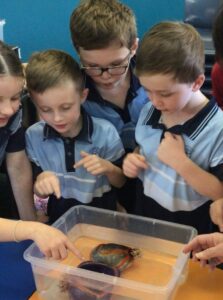
During Ocean Life Education’s exciting “Life Cycles – The Birth and Growth of Animals” incursion students will dive into the fascinating world of marine animals to uncover the unique life cycles of various sea creatures. By interacting with a diverse array of marine life, they gain insights into reproduction, birth, and growth stages across different species and experience first-hand differences that exist between living and non-living things. This incursion highlights examples from iconic local marine animals, focusing on sharks, whales and turtles to ensure it is relevant to local students. Keep reading to find out more about our Year 3 Science Incursions in Brisbane.
Exploring Marine Reproduction 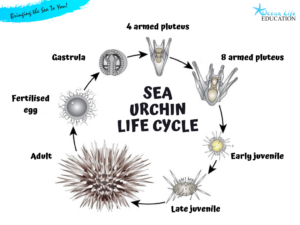
During this engaging incursion, we highlight the different ways in which our ocean creatures come into the world.
Our sea stars, sea cucumbers and sea urchins offer wonderful examples of exterior fertilization…where adults release eggs and sperm into the water. And our sharks and freshwater turtles provide living proof of how interior fertilisation occurs in other species.
Incredible Ocean Births
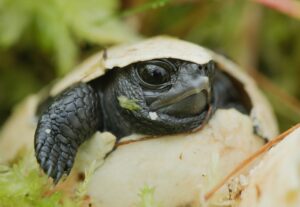
Students find out that not all animals are born the same way and that our sharks and freshwater turtles hatch from eggs as perfect miniature versions of their parents. Whereas our sea stars and sea urchins start out their life as a plankton, later going through dramatic change (metamorphosis) to become like their parents.
We love seeing the surprise on children’s faces as they contemplate these mind-blowing wonders of nature!
 The Fascinating World of Shark Reproduction
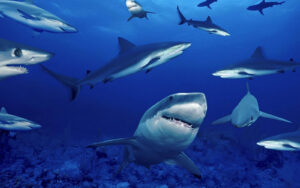
Focusing on our sharks, we then discuss the three different ways in which they may be born, according to the species. Some sharks are born from eggs (like our little ones), some are born alive (like us), e.g. Great Whites, Tiger Sharks and Whaler Sharks, and then there are some like the Grey Nurse Shark that are a combination of the two.
Students love exploring sharks and discussing how and why they have evolved in these ways.
Examining Local Case Studies – Humpback Whales 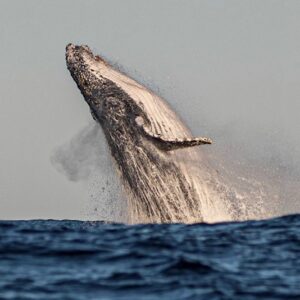
Some animals travel long distances as part of their life cycle, such as Humpback Whales that travel from Antarctica up into the tropical waters off Queensland’s coast to give birth to their calves in warmer waters. Through suckling their young, the females provide calves with the energy and precious fat stores needed to survive the long migration back down to the icy southern waters where they feed on plankton during the Antarctic Summer, before commencing the incredible journey again.
The humpback whale migration begins in May/June heading north off the Australian coastline. We can observe the humpback whales travelling back down to the Antarctic during the months of September and October.
Additional Topics Covered in our Life Cycles Incursion
Our Year Three life cycles incursion also teaches students about fundamental biological processes such as the need for food, reproduction, shelter-seeking behaviours, classifying the difference between living and non-living things, adaptation to habitats, and mobility.
 Imprinting a Love of the Ocean: Cultivating Future Environmental Advocates
At Ocean Life Education, we firmly believe that “you protect what you know and love.” That’s why we’re dedicated to teaching children about the wonders of the ocean. By fostering a deep connection with marine environments, we aim to inspire the next generation of environmental advocates.
Our passionate team brings this mission to life through engaging science incursions, where our enthusiasm for the ocean is evident. It’s this genuine love and commitment that make our educational experiences truly unique and impactful. We’re excited to share our passion and knowledge, hoping to spark a lifelong appreciation for the ocean in every child we reach.
Find out more about our Year 3 Science Incursions in Brisbane.
A Note About Year 3 Curriculum Science: Biological Science
This incursion aligns with the Australian Curriculum content description ‘Science Understanding’ and under the sub strand of ‘Biological Science’. AC9S3U01…
“Students classify and compare living and non-living things and different life cycles”.
Useful links
Life Cycle Activities & Resources
Blog: Life Cycles of Ocean Animals for Schools
Ocean Life Education’s Life Cycles Video
Our Primary Incursions
Here’s a link to our other news
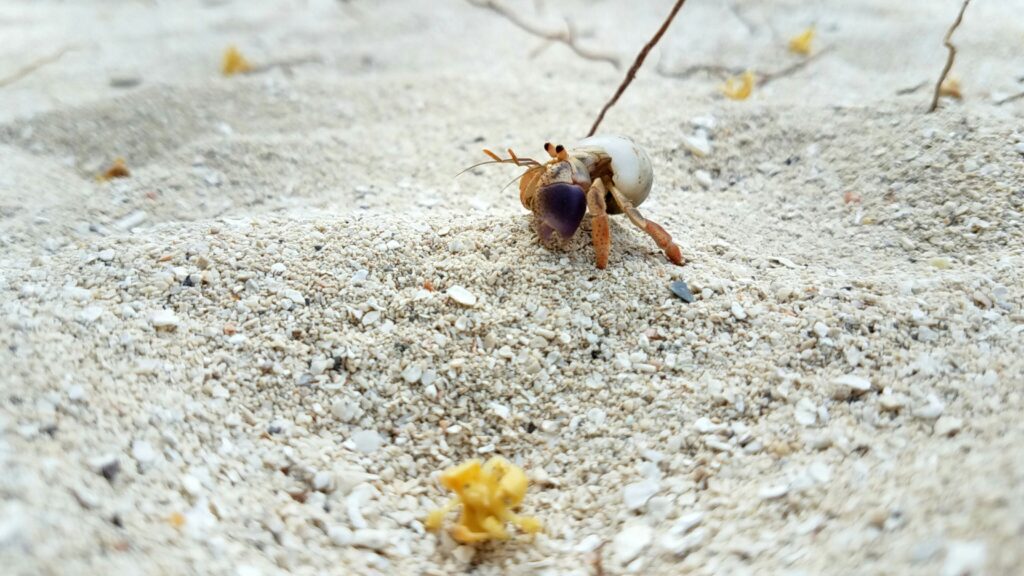
 Exploring a Diverse Range of Habitats
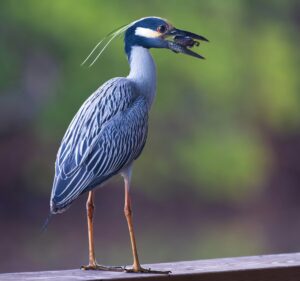 habitat areas. They will find out through interaction, that our live display animals may live in one or more of these habitat areas and why.
 Imprinting a Love of the Ocean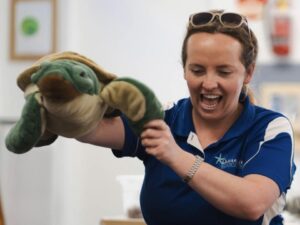
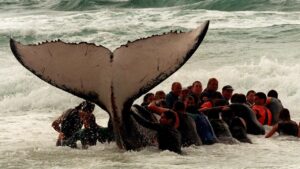
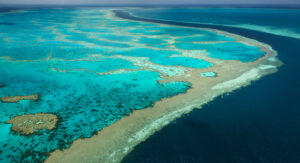 Most of our educators were lucky enough to have grown up next to the ocean in Queensland or NSW. The East Coast of Australia is probably one of the best places on earth to grow up if you love the ocean!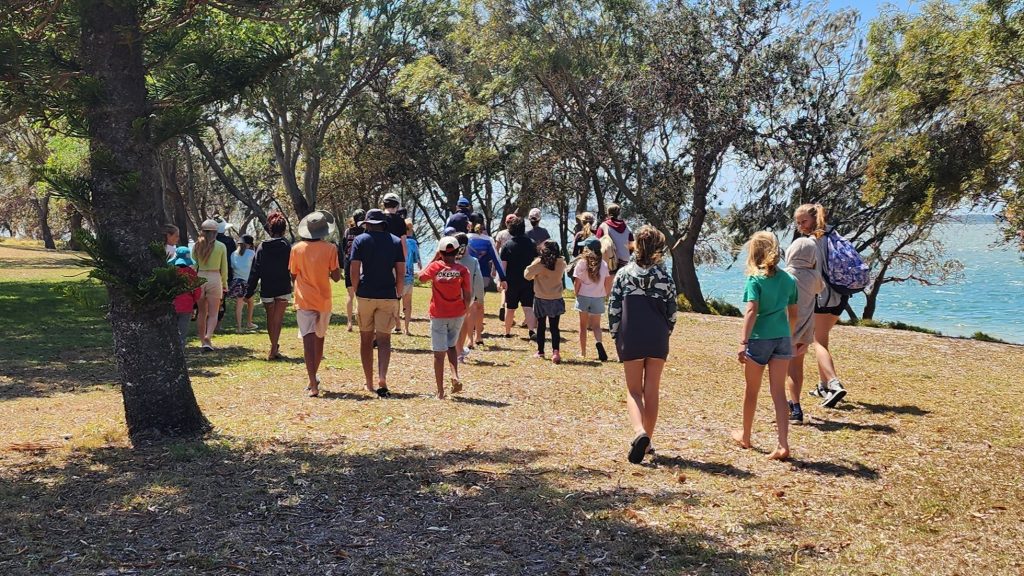
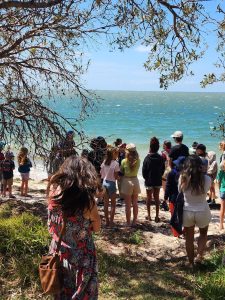 marine animal exhibit session, in order to maximise on beach time and find as many wildlife remnant treasures as possible!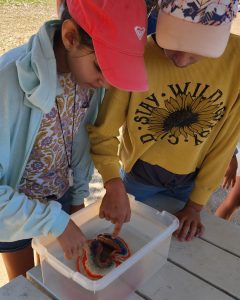
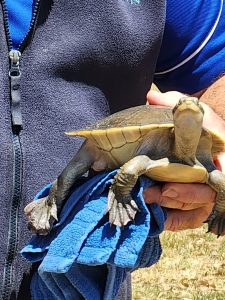 including their key role in ocean food chains and how they keep the ocean healthy by eating sick or dead animals and keeping numbers of other ocean dwellers in check.