
Category Archives: Sharks

A Summer of Tragedy: Why Ocean Education Matters More Than Ever

Why Sharks Matter


A Summer of Tragedy: Why Ocean Education Matters More Than Ever

The recent series of shark encounters in Sydney, including one tragic fatality, is a sobering reminder of why education about the ocean and its inhabitants is so important. While these events are devastating, they also highlight a crucial truth: understanding marine environments, shark behaviour, and safe swimming practices can significantly reduce the risk of dangerous encounters.

If more people had a basic understanding of shark movement patterns, feeding behaviour, and how weather events affect ocean conditions, many of these incidents may have been avoided.

Shark & SurferHow Heavy Rain Changes Shark Behaviour

Over summer, Sydney experienced substantial rainfall. This causes large volumes of freshwater, along with pollution and runoff, to flow into rivers, canals, and bays. Bull sharks, which often inhabit these areas, are forced out of their usual environments in search of cleaner, saltier water.

As a result, they move along the coastline and closer to popular recreational areas such as Sydney’s Northern Beaches.

However, even coastal water after heavy rain is often murky and dirty. In low-visibility conditions, sharks cannot rely on sight to hunt. Instead, they detect vibrations in the water. Erratic splashing or surface movement can feel like injured fish or prey, causing sharks to investigate. They do this with their mouths, which can result in catastrophic injuries to humans.

It’s important to understand that sharks – including bull sharks – do not consider humans to be food. These encounters are cases of mistaken identity.

Safer Swimming Starts With Knowledge – The Message is Simple & Clear:

Swimmer at Dusk

Avoid swimming in murky or dirty water, especially after heavy rain

Don’t swim at dawn or dusk, when visibility is low and sharks are more actively feeding

Pay attention to water conditions, warnings, and local advice

If more people were armed with this knowledge, safer swimming practices would be far more widely followed – and the risk of incidents would be greatly reduced.

Education, Not Fear, Is the Answer

We must learn to live with the environment and all that is in it, not try to change it to suit ourselves. Culling sharks is not the answer to making the ocean safer.

Education is.

By teaching children and adults how ocean ecosystems work, how animals behave, and how to safely enjoy our beaches, we empower people to make smarter, safer choices – and protect both humans and marine life.

At Ocean Life Education, this is exactly what we believe in: building understanding, respect, and knowledge so we can all enjoy the ocean more safely and responsibly.

Useful Links

Our Educational Programs

Shark Teaching Resources & Courses

ABC Article: Living with fear of sharks is part of life in the ocean

Thank you for reading: A Summer of Tragedy: Why Ocean Education Matters More Than Ever

Teaching Kids About Sharks: Their Crucial Role in Ocean Ecosystems


When we ask kids about sharks, their first response is often fear or fascination. Either way, they are often very passionate about the subject, which provides a great basis for learning. Sharks play a crucial role in ocean ecosystems, making them an ideal subject for cross-curricular learning in primary classrooms – integrating science, geography, literacy, and citizenship.

Sharks play a crucial role in ocean ecosystems, making them an ideal subject for cross-curricular learning in primary classrooms—integrating science, geography, literacy, and citizenship

🌊 Why Sharks Matter in Ocean Ecosystems

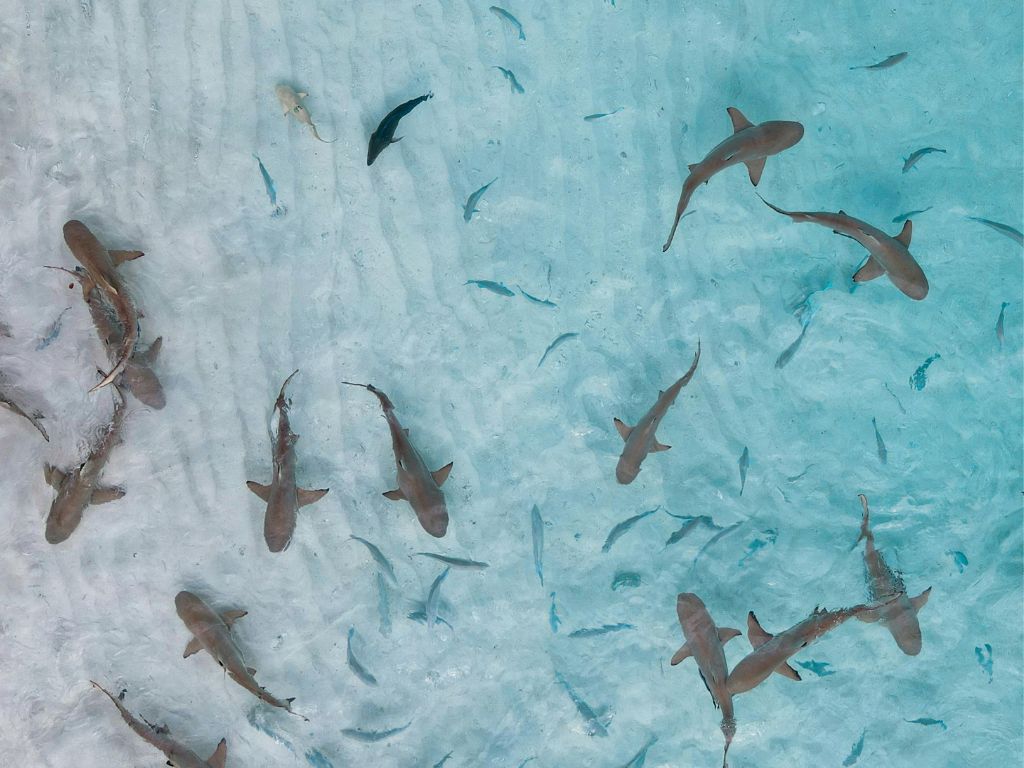
reef shark great barrier reef

Courtesy Whitsunday News

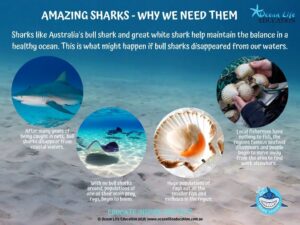
Sharks are apex predators. As top-level predators, they help maintain the balance of marine life, supporting the health of coral reefs, seagrass beds, and other critical habitats. Without sharks, our ocean ecosystems can become unstable, leading to the overpopulation of some species and the collapse of others.

Link: Ocean Life Education Video – Why We Need Sharks

🦈 Sharks are Guardians of the Ocean

Movies and myths often cast sharks as villains, but they’re essential guardians of the ocean. Teaching kids about sharks helps bust common myths and builds respect for these incredible animals. It also opens up conversations around the marine food chain, shark conservation, and the importance of protecting ocean biodiversity.

Shark Resources from Ocean Life Education

🔍 What Role Do Sharks Play in the Ecosystem? Why we Depend on the Ocean

  1. Balance Marine Populations
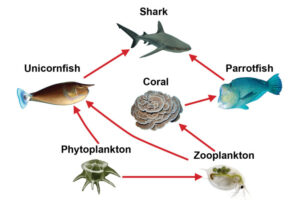
    Sharks regulate the populations of prey species like rays and smaller fish, preventing them from overgrazing critical habitats like seagrass and coral reefs.
  2. Support Ocean Biodiversity
    By preying on weak or sick individuals, sharks help keep marine species healthy, promoting genetic strength and ecological balance.
  3. Drive Evolution
    Sharks influence the behaviour and evolution of other marine animals. Their presence encourages adaptive traits and survival strategies in prey species. Watch our Shark Adaptation Mini Video here and check out our Adaptation themed programs.
  4. Indicate Ocean Health
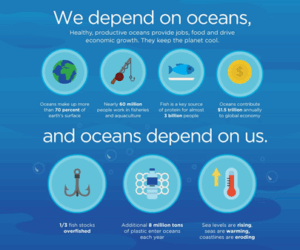
    A thriving shark population is a key sign of a healthy ocean. Sharp declines in shark numbers often signal wider problems in the marine food web, with long-term consequences for both wildlife and human communities.


📚 Cross-Curricular Classroom Connections

Teaching about sharks links to several key areas of the version 9 Australian Curriculum:

Science (Biological Sciences): Study food chains, life cycles, animal adaptations, and ocean habitats. See our Primary Incursions with these themes.

Geography: Explore the distribution of shark species and the environmental conditions they need.

English: Inspire persuasive writing, shark fact files, and conservation-themed research projects. See our Ocean Literacy Incursions.

Civics & Citizenship: Discuss human impact on marine environments and ethical issues such as East Coast Australia’s shark nets, shark finning and overfishing.


🧠 Shark-Themed Learning Activities sand tiger shark

Use these ideas to bring Shark Awareness Day or any ocean unit to life:

🌐 Create a shark food web to show energy flow in ocean ecosystems.

🔍 Research shark species, comparing their roles, habitats, and adaptations such as shark teeth. Watch our shark teeth video here.

📢 Host a Shark Awareness Day where students present posters, speeches, or science reports.

⚖️ Debate topics like the use of shark nets on the East Coast of Australia or shark finning.

🎨 Design posters promoting shark conservation for kids and families.

Book a shark focused Primary Incursion with Ocean Life Education

🐠 Shark Resources and Programs

Explore our Shark Discovery Program for Early Years – hands-on, interactive learning for young ocean lovers.

Dive into our Primary School Programs, which can be tailored to explore shark roles in healthy ocean ecosystems.

Download shark resources and teaching aids and printable resources to support your lesson planning.

Take our online Shark Course – Amazing Sharks – learn the facts and get certified!


🌱 Inspiring Future Ocean Guardians

Teaching kids that sharks are not to be feared, but respected and protected, helps shape a generation of informed, compassionate global citizens. By exploring sharks’ importance in the marine environment, we can nurture curiosity, boost critical thinking, and encourage action to protect our oceans.

Example alignment version 9 Science Curriculum

Year 4: AC9S4U01 – consumers, producers and decomposers within a habitat, food chains
Year 7: AC9S7U02 – food webs, energy flow in ecosystems, abiotic and biotic factors on populations

About Ocean Life Education Ocean Life Education

Ocean Life Education is committed to inspiring young Australians to appreciate and understand the wonders of our marine environments. Through engaging, hands-on programs that support version 9 of the Australian curriculum, we bring the ocean into classrooms and outdoor learning spaces in a way that’s fun, educational, and memorable. Each experience is tailored to meet the unique needs of your school or event, with a strong focus on local marine topics.

Our sessions feature live marine animals and interactive displays, giving students the chance to connect directly with the natural world. By encouraging curiosity and building environmental awareness, we empower children to take an active role in caring for our oceans and the incredible life they support.


For more information about what we do, check out Ocean Life Education.

We hoped you enjoyed reading our blog: Teaching Kids About Sharks: Their Crucial Role in Ocean Ecosystems

Here’s a link to our other curriculum themed blogs

Guide to Shark and Ray Awareness Day in Australia

shark and ray awareness day australia

Sharks and rays take the spotlight on July 14 each year as we celebrate Shark & Ray Awareness Day. This global event focuses on the positive impact that sustainability can have on populations of these magnificent species in our oceans.

Sharks and rays are true marvels of natural selection, with extraordinary physical and behavioral adaptations that have allowed them to thrive in diverse marine environments. These creatures play a crucial role in marine food webs and contribute significantly to the health and balance of our oceans.

Rays, often referred to as “flattened sharks,” are closely related to their more well-known cousins. They possess unique features, such as their flattened bodies and wing-like fins, which make them exceptional swimmers and hunters. Both sharks and rays are indispensable contributors to the delicate ecosystem of our oceans.

Shark & Ray Awareness Day serves as a platform for education and engagement. By understanding these amazing creatures, we can all play a vital role in protecting them and ensuring their survival for generations to come.

Core messages of Shark and Ray Awareness Day

ray

  • Educate the public
  • Promote sustainable practices
  • Combat Misconceptions
  • Support Conservation Efforts
  • Engage the Youth


Read on to discover why we need to raise awareness and what you can do to help…

Combating Misconceptions in Australia shark

Sharks often face an unjustified negative reputation in the media, overshadowing their critical role in marine ecosystems.

On average, three people are killed by sharks in Australia each year. Many more fatalities occur due to encounters with horses and cows. In comparison, an estimated 100 million sharks are killed worldwide by humans annually.

Sharks, in particular, have been subject to negative portrayals in popular media and culture, leading to fear and unwarranted demonization. Many people associate sharks with danger and aggression, which has perpetuated the idea that they are ruthless killers. In reality, shark attacks on humans are relatively rare, and most shark species are not a threat to humans.

How can you help?

One effective way to address this image problem is by learning all you can about sharks and rays, and sharing your enthusiasm with others. You can also choose to support only media that portrays a positive image of these misunderstood animals.

Australia Needs Sharks

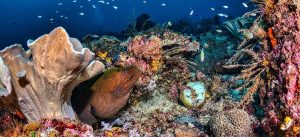
Sharks are crucial for the sustainability of Australian waters and marine environments globally. They serve as top predators, helping to control the balance of marine species and ensure ecological stability. Removing sharks from these ecosystems would have far-reaching consequences, disrupting the delicate balance of marine life and threatening the health of coral reefs, including the magnificent Great Barrier Reef in Queensland.

The Great Barrier Reef Needs Sharks

The Great Barrier Reef, the world’s largest natural wonder, is a global treasure attracting millions of tourists every year. Sharks are an integral part of this vibrant ecosystem, contributing to its biodiversity and resilience. Their presence enriches the experience of divers and snorkelers, offering an opportunity to witness the wonders of the marine world up close.

 Read Our Guide to Sharks Down Under

Support Shark Conservation Efforts

The excessive and indiscriminate fishing of sharks and rays, driven by the high demand for their products, is the primary threat to their survival. The demand for shark fins, in particular, has led to a devastating practice known as shark finning, where sharks are caught, their fins are cut off, and the rest of the body is often discarded back into the ocean, still alive. This wasteful practice has resulted in serious declines in many shark and ray populations worldwide. As a result of these unsustainable fishing practices, one-third of shark and ray species are now classified as threatened with extinction

How can you help?

You can help by supporting campaigns and by always purchasing sustainable seafood. Remember, shark is often labelled as flake in Australian fish and chip shops.

How to Engage Kids and Celebrate Shark and Ray Awareness Day

whale shark

We need to take time to learn the facts about sharks and why they are so important to us and our world, so that we can help to protect them. Inspiring kids by teaching them about sharks is crucial to improving the outlook for sharks.

We have created a range of FREE shark videos and fact sheets to assist in teaching children, as well as a paid online teaching resource pack and an online sharks course for kids.


Our resources and videos cover the following shark themed curriculum topics for kids:

Adapatation, Habitats, Human Impact, Food Webs, Natural Selection, Classification, and more…

Amazing Sharks Videos for Kids

Ocean Life Education’s owner and Director of Education, Richard Coward, is a marine scientist and recently created a range of engaging shark videos for kids, entitled:

  • Built to Hunt
  • The Point of Teeth
  • Why We Need Sharks
  • Why Sharks Attack

 Click here to watch Amazing Sharks video

 Quiz – Search for Your Inner Shark

How much are you like a shark??

Take the Quiz

We hope you enjoy our resources and courses and that you become an advocate for our misunderstood sharks and rays too.

 Other Important Shark & Ray Awareness Days to Remember

  • June 25- Angel Shark Day
  • August 30- International Whale Shark Day
  • September 17- World Manta Day
  • October 17- International Sawfish
  • October 30- Ghost Shark Day

Useful links

Join a volunteer shark conservation organisation like:


Is a Whale Shark a Shark?

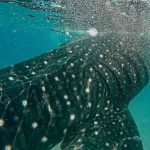
whale shark

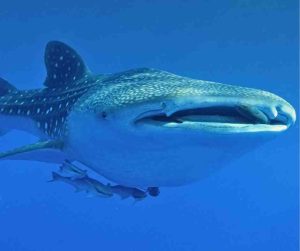
Whale sharks look quite different to how we imagine a shark to look. They are enormous, reaching 12 meters or more in length and weighing as much as 16 tons – basically, they are about the size of a bus! And they don’t have sharp teeth, in fact their teeth don’t really assist in feeding at all. So, it’s no surprise that people often ask us the question…is a whale shark a shark?

Are Whale Sharks Really Sharks?

The answer is yes, whale sharks really are sharks. They have all the 33 characteristics of a shark, such as a cartilage skeleton, five pairs of gills and unfused pectoral fins to the head. Unlike whales, they are not mammals and their young are not fed by the mother’s milk. Like sharks, whale sharks are fish. In fact they are the largest fish in the ocean. So, whale sharks really are sharks…and they get their name from the fact that they are enormous!

What Do Whale Sharks Eat? 

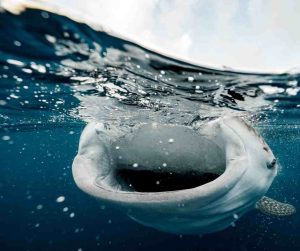
Whale sharks have rows of over 300 tiny teeth, but as filter feeders they do not use these teeth to eat. Instead, whale sharks (and other filter feeding sharks) swim along the ocean’s currents with their huge mouths open wide, filtering large quantities of water as they go and extracting tiny organisms called plankton & krill from the water. A whale shark’s mouth is about 1.5 meters wide, so it’s an impressive sight!

The 3 largest sharks include (in size order)

  1. Whale Shark 17 meters
  2. Basking Shark 15 m
  3. Megamouth Shark 7-8 m

All filter feeders!

Diet: Plankton (tiny organisms), krill and small fish

Ten Amazing Whale Shark Facts

  1. Largest fish and shark in the world
  2. Habitat: warm open waters of the tropical oceans 
  3. Whale sharks spend most of their time near the surface
  4. Lifespan: 70 to 100 years
  5. Average length of an adult: 9.7 meters
  6. Average weight: 9 tonnes
  7. Teeth: over 300 rows of tiny teeth – not used for eating!
  8. Whale sharks are solitary creatures
  9. Filter feeders – feeding mainly on plankton
  10. Able to process over 6,000 litres of water each hour

Why We Need Sharks

Learn more about sharks? 

online shark course

Check out our Amazing Sharks Online Shark Course

Check out our Shark Resources


Further reading…

Save Our Seas – Whale Sharks Down Under