


Looking for topical Shark Incursions in Brisbane that are hands-on, curriculum-aligned and unforgettable?
Ocean Life Education delivers engaging marine education programs to Brisbane Early Learning Centres and Primary Schools, bringing live sharks and other marine animals, shark artefacts and ocean science directly into your classroom.
It’s not just a visit. It’s a deep dive into understanding the local ocean – and why sharks matter more than most people realise.
Why Book a Shark Incursion for Your Brisbane School?
When schools search for marine education incursions in Brisbane, they’re looking for programs that are:
✔ Aligned with the Australian Curriculum & EYLF
✔ Age-appropriate for Early Years and Primary
✔ Science-based and engaging
✔ Memorable and interactive
✔ Delivered by qualified marine educators
Ocean Life Education’s Shark Incursion Brisbane programs tick every box – while also building environmental awareness and critical thinking skills. And what’s more, kids get to meet a real live shark!
Why Sharks Are Crucial to Ecosystems (And Why Kids Need to Know)
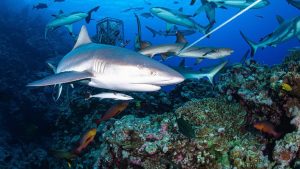
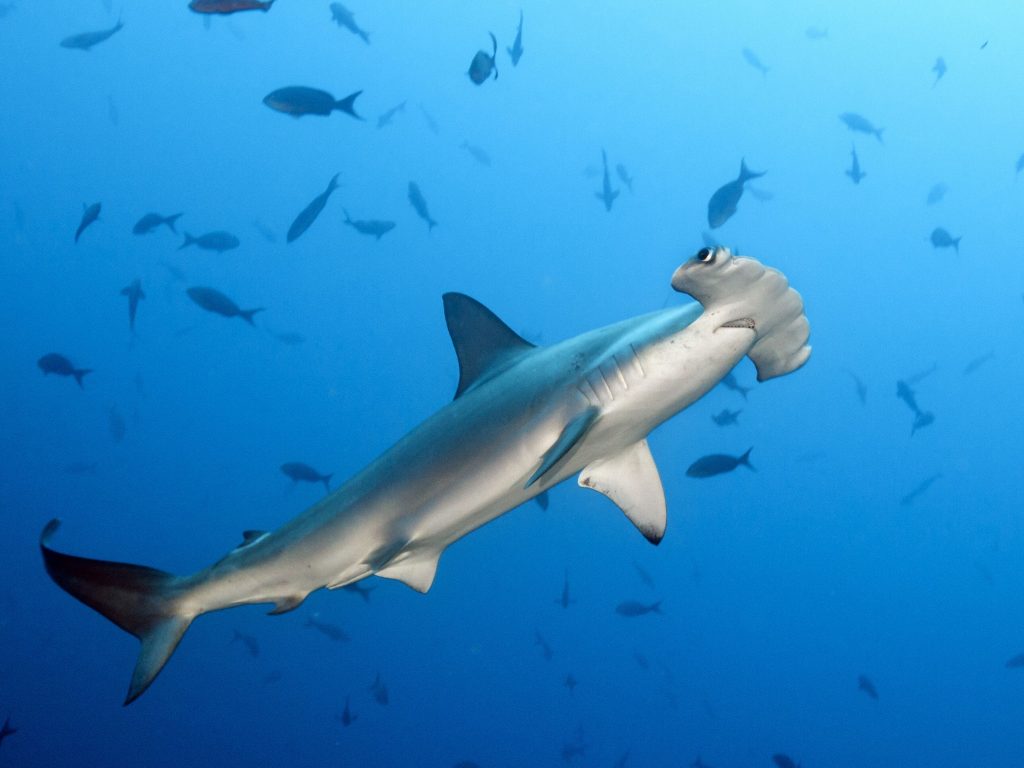
Sharks are apex predators – which means they sit at the top of the food chain. Their role is essential for:
✔ Maintaining balance in marine food webs
✔ Preventing overpopulation of mid-level species
✔ Protecting coral reefs and seagrass beds
✔ Supporting biodiversity across the ocean
When shark populations decline, entire ecosystems can suffer.
Teaching students about sharks helps replace fear with understanding – and empowers them to see how healthy oceans connect directly to healthy communities, climate stability and even the seafood industries we rely on.
Education builds future ocean stewards.
Read more about shark’s role in ecosystems.
Early Years Shark Incursions (EYLF Aligned) 🐠
For Brisbane Kindergartens and Early Learning Centres, our shark incursions focus on sensory exploration, curiosity and foundational science concepts.
Students explore:
✔ Marine habitats
✔Animal features and adaptations
✔ Simple food chains
✔ Respect for living creatures
Live animal interaction and observation of a real shark, as well as tactile experiences help young learners connect emotionally with marine life – an important step in developing environmental empathy.
 Suggested Follow-Up Activities (EY):
🐚 Marine sensory tubs with shells and ocean textures
📖 Shark storytelling and movement play
🎨 Paint and label “parts of a shark”
🌊 Habitat matching games – focusing on local habitat, such as the Brisbane River, The Great Barrier Reef, or The Sunshine Coast coastal region.
These all align perfectly with EYLF Outcomes.
See our SHARK RESOURCES
Primary School Shark Incursions Brisbane 🦈
For Primary students across Brisbane and South East Queensland, programs go deeper into marine science and ecosystems.
Students investigate:
✔ Shark biology and adaptations
✔ Predator-prey relationships
✔ Food webs and ecosystem balance
✔ Human impact and conservation
✔ Shark myths vs facts
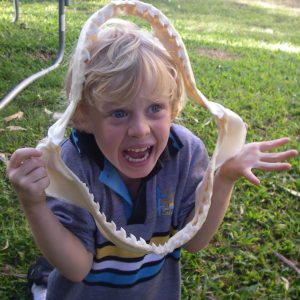
Observing a real shark and real shark jaws and artefacts create a powerful learning moment that students remember long after the session ends.
Suggested Follow-Up Activities (Primary):
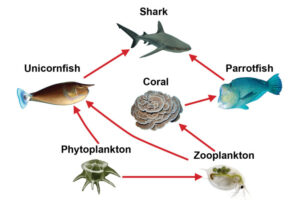 🧠 Build a Marine Food Web
Students create a visual web showing sharks at the top and explore what happens if they’re removed. This can focus around local species, such as turtles and local types of fish.
📊 Shark Species Research Task
Compare different shark species, habitats and conservation status. Look at what different shark species live in local rivers and off the coast of Queensland and the human impact on them.
🎨 Ocean Conservation Campaign Posters
Encourage persuasive writing and sustainability awareness using local issues such as the Nets Out Now Campaign or considering shark bite incidents that have affected Australia recently, such as in Sydney.
🔬 Adaptation Investigation Stations
Match shark features (teeth, fins, gills) to survival functions.
These activities support Australian Curriculum Science strands including Biological Sciences and Sustainability cross-curriculum priorities.
See our SHARK RESOURCES
Shark Education in Brisbane: Why It Matters
Brisbane is a coastal city. Many students regularly visit beaches across South East Queensland and sharks inhabit our local waterways and coastline. Sharks are a very topical and living case study for Brisbane children, which assists in bringing learning to life.
Understanding sharks through education:
- Reduces fear and misinformation
- Promotes safer ocean behaviour
- Builds marine science literacy
- Encourages environmental responsibility
When children learn that sharks help protect reefs, regulate ecosystems and maintain ocean health, they begin to see the ocean as an interconnected system – not just a place to swim.
That shift in thinking is powerful.
Read our blog: Why (Shark) Ocean Education Matters More than Ever.
Book a Shark Incursion in Brisbane
Ocean Life Education has delivered thousands of marine education sessions across Brisbane and Queensland.
Bring the ocean to your classroom – and inspire the next generation of ocean guardians.
Useful Links
Thank you for reading: Shark Incursions Brisbane
Author: Hayey Gee
 How Heavy Rain Changes Shark Behaviour